



Magnesium alloys have become one of the most important lightweight engineering materials in modern manufacturing. Thanks to their low density, excellent strength-to-weight ratio, thermal conductivity, vibration damping, and electromagnetic shielding performance, they are widely used across industries ranging from transportation and aerospace to artificial intelligence and robotics.
As demand for lightweight and high-performance components continues to grow, Magnesium Alloy Machining has become an essential manufacturing solution. Through advanced Magnesium Machining, magnesium CNC machining, and magnesium precision machining, manufacturers can produce complex parts with excellent dimensional accuracy and surface quality.
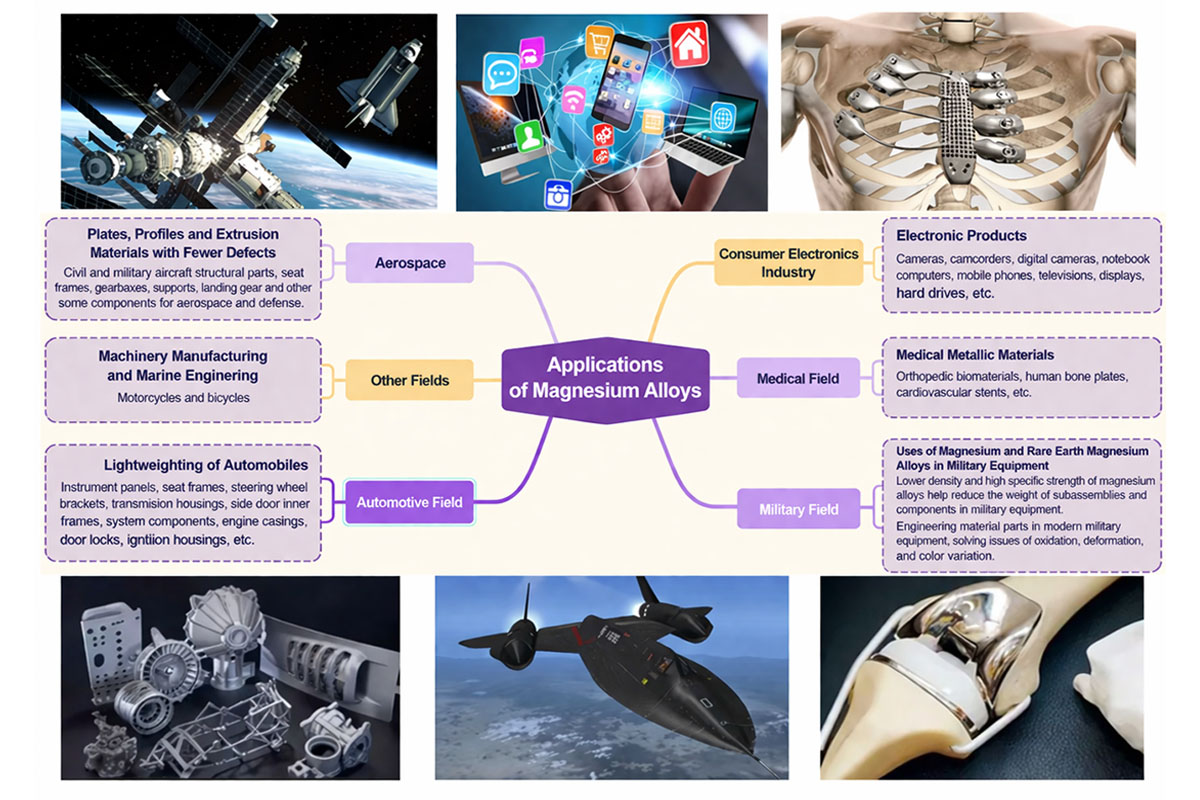
Why Magnesium Alloys Are Popular in Manufacturing
Compared with steel and aluminum, magnesium alloys offer several advantages:
Extremely lightweight structure
High specific strength
Excellent machinability
Good heat dissipation performance
Superior vibration absorption
Effective electromagnetic interference (EMI) shielding
Recyclability and sustainability
These benefits make the Magnesium Alloy Machining process suitable for a wide variety of high-tech applications.
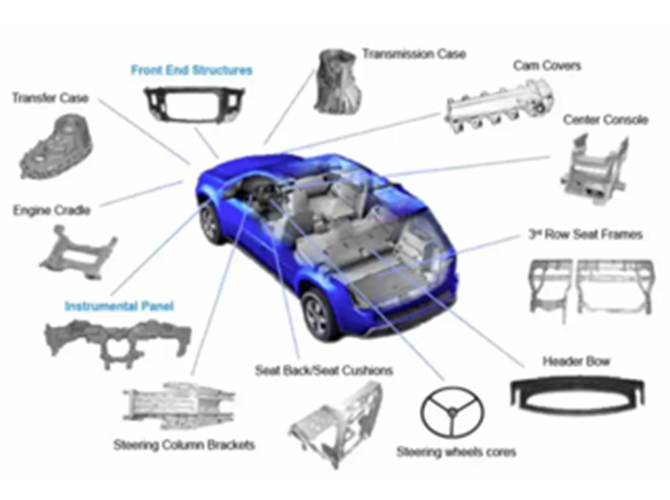 New Energy Vehicles (NEVs)
The automotive industry is one of the largest users of magnesium alloys, particularly in electric vehicles and new energy vehicles where lightweight design directly impacts battery efficiency and driving range.
Common applications include:
Steering wheel frames
Instrument panel brackets
Seat frames
Center console supports
Anti-collision beams
Engine brackets
Inner door panels
Roof structures
Transmission housings
Engine cylinder head covers
Steering column brackets
Pedal supports
Subframes
Wheel hubs
Battery pack housings
Motor housings
Electronic control system enclosures
Using advanced magnesium CNC machining and magnesium milling, manufacturers can significantly reduce vehicle weight while maintaining structural strength and safety performance.
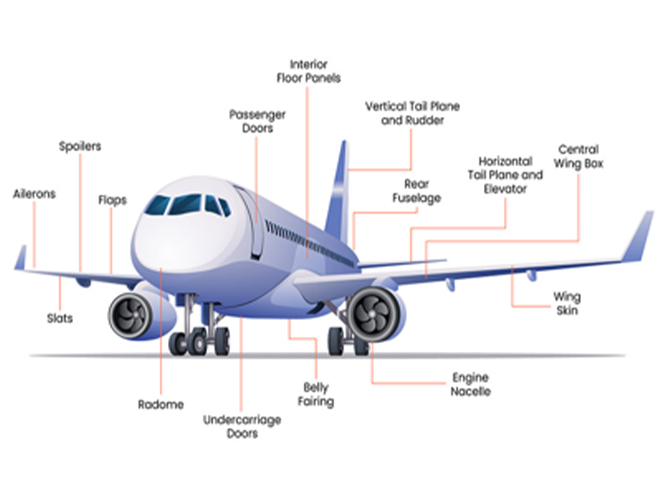 Aerospace and Aviation
The aerospace industry heavily relies on magnesium alloy machining because every kilogram saved contributes to improved fuel efficiency and payload capacity.
Typical aerospace applications include:
Aircraft fuselage frames
Wing and tail support structures
Propellers
Engine accessory housings
Sensor enclosures
Circuit board brackets
Helicopter gearbox housings
Aircraft seats and interior structures
In satellite systems, magnesium alloys are used for:
Electronic equipment housings
Optical instrument supports
Antenna structures
Camera mounting brackets
High-precision components are typically produced through magnesium precision machining to meet strict aerospace tolerances.
Artificial Intelligence Equipment
The rapid growth of artificial intelligence infrastructure has created demand for lightweight and thermally efficient structural materials.
Applications include:
AI server chassis
High-performance computing equipment frames
Intelligent device housings
Heat-dissipation components for processors
Data center equipment structures
The excellent thermal conductivity achieved through cnc machining magnesium components helps improve cooling efficiency in high-density computing environments.
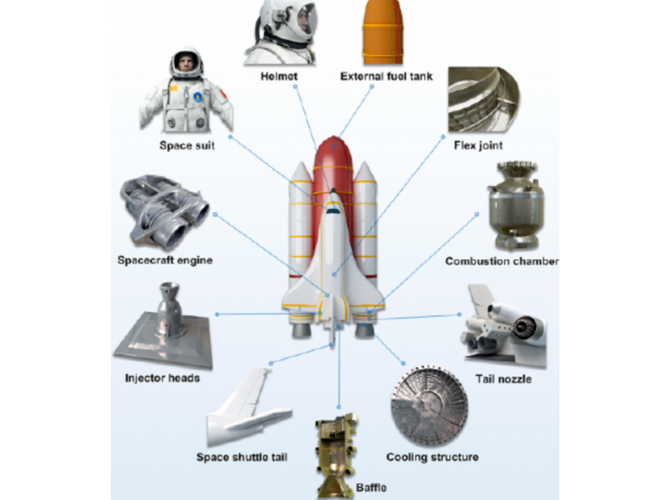 Military and Defense Applications
Military systems benefit from the lightweight and high-strength characteristics of magnesium alloys.
Typical applications include:
Rockets and Space Systems
Instrument cabin brackets
Cable supports
Payload adapters
Fairing support structures
Missile Systems
Structural frames
Internal support components
Lightweight housing assemblies
Unmanned Aerial Vehicles (UAVs)
Airframe structures
Wings
Internal support components
Payload mounting systems
Through advanced magnesium CNC manufacturing, military equipment can achieve improved mobility, endurance, and operational efficiency.
Medical Industry
Magnesium alloys are increasingly attracting attention in the healthcare sector due to their biocompatibility and biodegradable properties.
Applications include:
Bone screws
Bone plates
Orthopedic fixation devices
Cardiovascular stents
Surgical instruments
Medical device housings
Diagnostic equipment structures
Biodegradable magnesium implants can gradually dissolve after healing, reducing the need for secondary surgeries. These medical components often require highly controlled magnesium precision machining processes.
3C Consumer Electronics
The electronics industry extensively utilizes magnesium alloys to create lightweight and durable products.
Common applications include:
Laptop computer housings
Tablet casings
Smartphone internal frames
Camera bodies
Wearable device enclosures
VR and AR device structures
The combination of magnesium machining and precision manufacturing provides excellent heat dissipation and electromagnetic shielding while maintaining thin and lightweight designs.
5G and Future 6G Communication Infrastructure
Communication equipment requires materials that combine lightweight construction with thermal management capabilities.
Applications include:
Base station housings
Antenna brackets
Communication module enclosures
Heat sink structures
Network equipment frames
Through efficient magnesium alloy machining, manufacturers can produce communication components that support stable operation in demanding environments.
Humanoid Robots
Humanoid robots require lightweight materials to improve mobility, energy efficiency, and operational endurance.
Magnesium alloys are widely used for:
Robot frames
Joint housings
Actuator supports
Structural covers
Motion system components
High-performance magnesium milling and CNC technologies help manufacturers create complex robotic structures with reduced weight and increased rigidity.
Industrial Automation
Industrial automation systems demand materials that can provide high precision while minimizing vibration and energy consumption.
Applications include:
Machine frames
Robotic arms
Precision equipment housings
Automated production line components
Motion control system structures
Using advanced magnesium alloy machining process techniques, manufacturers can produce highly accurate automation components that improve equipment efficiency and reliability.
Advantages of Magnesium Alloy Machining Across Industries
Modern Magnesium Alloy Machining offers several manufacturing benefits:
High cutting speed
Low cutting force
Excellent surface finish
Reduced tool wear
Improved production efficiency
Outstanding dimensional stability
Processes such as magnesium CNC machining, magnesium milling, and specialized finishing techniques allow manufacturers to achieve complex geometries with exceptional precision.
In some applications, dedicated equipment such as a magnesium grinder may be used during secondary finishing operations to achieve specific surface requirements.
From new energy vehicles and aerospace systems to AI servers, medical devices, communication infrastructure, humanoid robots, and industrial automation, magnesium alloys continue to expand their role in advanced manufacturing.
With the support of modern magnesium machining, magnesium CNC machining, magnesium precision machining, and optimized magnesium alloy machining process technologies, manufacturers can produce lightweight, durable, and highly functional components that meet the demands of next-generation industries.
As industries continue to pursue higher performance and energy efficiency, the importance of Magnesium Alloy Machining will only continue to grow.


