



Magnesium is becoming an increasingly popular material in modern manufacturing due to its lightweight properties, excellent machinability, and impressive strength-to-weight ratio. As industries such as aerospace, automotive, medical equipment, and electronics continue to demand lighter and more efficient components, Magnesium CNC Machining has become an attractive manufacturing solution.
Compared with many conventional metals, magnesium alloys require lower cutting forces, allow higher machining speeds, and can produce excellent surface finishes. These characteristics make CNC Machining magnesium an efficient option for manufacturing precision components while reducing production time and machining costs.
In this guide, we explore the properties of magnesium, the major benefits of magnesium CNC machining, its industrial applications, and important safety practices manufacturers should follow.
What Is Magnesium CNC Machining?
Magnesium CNC machining is a precision manufacturing process that uses computer-controlled equipment to remove material from magnesium workpieces and produce components with specific shapes, dimensions, and tolerances.
Common CNC machining operations include milling, turning, drilling, boring, sawing, and tapping. These processes can be used to manufacture both simple mechanical components and complex parts with detailed geometries.
Magnesium is particularly suitable for CNC machining because of its relatively low hardness, excellent machinability, and low cutting resistance. Compared with many other structural metals, it can be processed using higher cutting speeds and lower machining forces.
With appropriate tooling, cutting parameters, and safety measures, CNC machining magnesium alloys can deliver high production efficiency, consistent dimensional accuracy, and excellent surface quality.
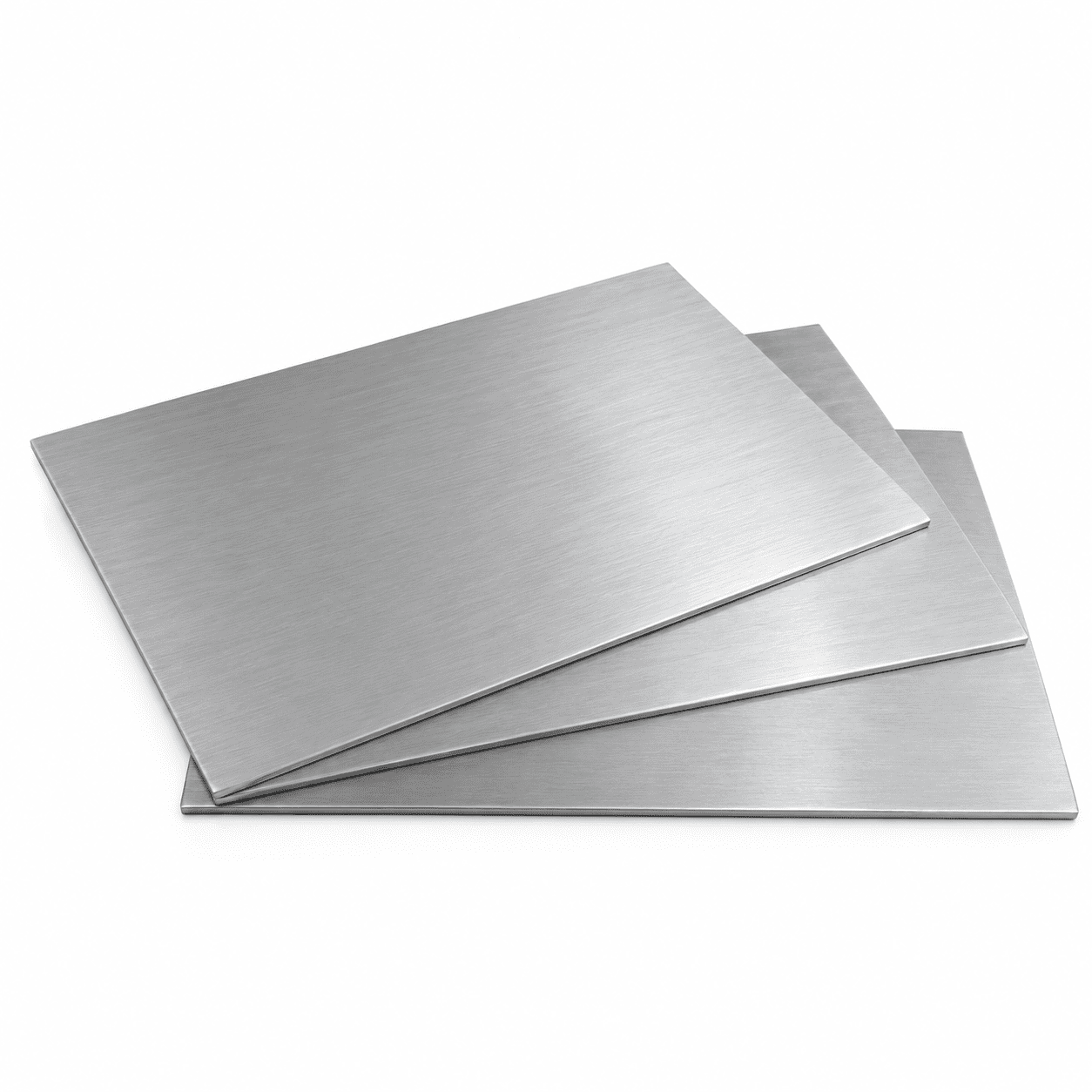 Key Properties of Magnesium for CNC Machining
Understanding the material properties of magnesium is essential when selecting it for precision manufacturing. Its combination of low density, mechanical strength, and machinability offers several advantages over traditional engineering metals.
Lightweight and Low Density
One of the most significant advantages of magnesium is its exceptionally low density. Magnesium is approximately 33% lighter than aluminum and around 75% lighter than steel by weight for equal volumes.
This makes magnesium alloys particularly useful for applications where reducing component weight is important. In the automotive and aerospace industries, lightweight magnesium components can help reduce overall vehicle weight, improve energy efficiency, and support better performance.
Excellent Strength-to-Weight Ratio
Although magnesium is lightweight, its alloys can provide good mechanical strength relative to their weight. Certain magnesium alloys offer an attractive strength-to-weight ratio for structural and load-bearing applications.
This combination allows manufacturers to produce lightweight components without unnecessarily increasing material weight, making magnesium suitable for automotive housings, aerospace structures, and electronic enclosures.
Excellent Machinability
Magnesium is generally easier to machine than aluminum, steel, and many other engineering metals. Its relatively low cutting resistance allows CNC machines to operate with lower cutting forces and potentially higher machining speeds.
Operations such as milling, turning, drilling, and sawing can be performed efficiently when the appropriate machining parameters are selected.
Good Surface Finish
Magnesium produces relatively short chips during machining, which can help improve chip evacuation and surface quality. With suitable cutting tools and optimized feed rates, magnesium CNC machined parts can achieve smooth surfaces and consistent dimensional accuracy.
Good Vibration Damping
Magnesium alloys have good vibration-damping characteristics compared with many conventional structural metals. This property makes them useful in applications where reducing mechanical vibration and noise is important, including electronic housings, Automotive Components, and precision equipment.
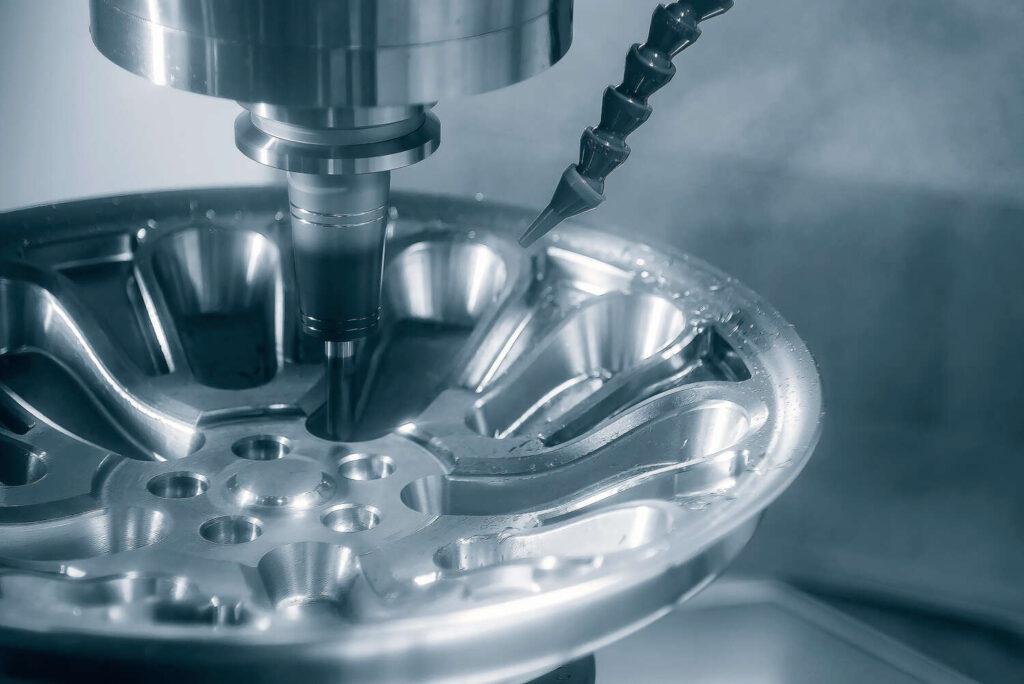 Major Benefits of Magnesium CNC Machining
The unique properties of magnesium provide several practical advantages for manufacturers and product designers.
1. Reduced Component Weight
Weight reduction is one of the primary reasons manufacturers choose magnesium CNC machining services.
Because magnesium is significantly lighter than aluminum and steel, it allows designers to develop lightweight components without sacrificing all the necessary mechanical performance.
In automotive manufacturing, lighter components can contribute to improved fuel efficiency and reduced energy consumption. In aerospace applications, weight reduction is particularly important for improving payload capacity and overall operating efficiency.
2. Faster Machining Speeds
Magnesium's excellent machinability allows manufacturers to use relatively high cutting speeds and feed rates under suitable conditions.
Compared with more difficult-to-machine metals, magnesium generally requires lower cutting forces and less machining effort. This can shorten production cycles and improve CNC machining efficiency.
For manufacturers handling repeated production orders, faster machining can help increase output and reduce production lead times.
3. Lower Tool Wear
Because magnesium has relatively low cutting resistance, CNC machining tools can experience less mechanical loading during cutting compared with machining harder metals.
This can help reduce tool wear and extend tool service life when machining conditions are properly controlled.
Longer tool life means fewer tool replacements, less machine downtime, and potentially lower tooling expenses.
4. Improved Surface Quality
The short chips generated during magnesium machining can help prevent chip accumulation around the cutting area and support more consistent cutting conditions.
With appropriate tooling and machining parameters, manufacturers can achieve smooth surface finishes and reduce the need for additional finishing operations.
This is particularly beneficial for components with visible surfaces or specific dimensional requirements.
5. Reduced Machining Energy Consumption
Magnesium generally requires less cutting power than many conventional metals because of its lower cutting resistance.
Compared with aluminum alloys, magnesium machining can require substantially less cutting energy under comparable machining conditions. Actual energy savings depend on the alloy, machining parameters, equipment, and component geometry.
Lower energy consumption, combined with reduced tool wear and shorter machining cycles, can help improve overall manufacturing cost efficiency.
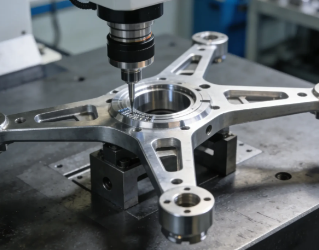 Common CNC Machining Processes for Magnesium Alloys
Magnesium alloys can be processed through several CNC machining operations depending on the component design and manufacturing requirements.
Magnesium CNC Milling
CNC milling uses rotating cutting tools to remove material from magnesium workpieces. It is suitable for manufacturing complex shapes, pockets, slots, holes, and flat surfaces.
Magnesium CNC milling is commonly used for electronic housings, automotive components, aerospace brackets, and precision mechanical parts.
Magnesium CNC Turning
CNC turning is used to manufacture cylindrical or rotational magnesium components. The workpiece rotates while a cutting tool removes material to achieve the required dimensions.
Typical applications include shafts, bushings, sleeves, and other rotational components.
Magnesium CNC Drilling
CNC drilling creates precise holes in magnesium components according to engineering drawings. It is widely used in the production of mechanical housings, mounting components, and structural parts.
Proper chip evacuation and tool selection are important for maintaining machining quality and safety.
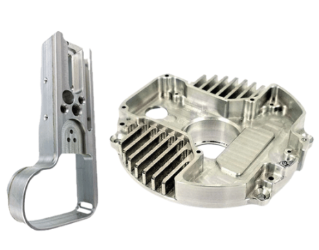 Applications of Magnesium CNC Machined Parts
Due to its lightweight properties, machinability, and vibration-damping performance, magnesium is widely used in several manufacturing industries.
Aerospace Industry
Magnesium alloys are used in selected Aerospace Components, housings, brackets, and structural parts where weight reduction is important. Their low density helps support lightweight aircraft designs.
Automotive Industry
Magnesium CNC machined parts are used in automotive housings, transmission components, steering system parts, and other lightweight components. Reducing component weight can contribute to improved vehicle efficiency.
Electronics Industry
Magnesium alloys are commonly used for laptop housings, camera bodies, electronic enclosures, and other consumer electronics components. Their lightweight characteristics and good vibration-damping properties make them suitable for portable devices.
Medical Equipment Industry
Magnesium alloys can be used in selected medical equipment housings and precision device components. Certain specialized magnesium alloys are also investigated and used in biodegradable medical implant applications, subject to strict material and regulatory requirements.
Best Practices for Safe Magnesium CNC Machining
Although magnesium offers excellent machinability, it requires special attention during CNC machining because fine magnesium chips, dust, and powder can present a fire hazard.
Following appropriate safety procedures is essential for maintaining a safe production environment.
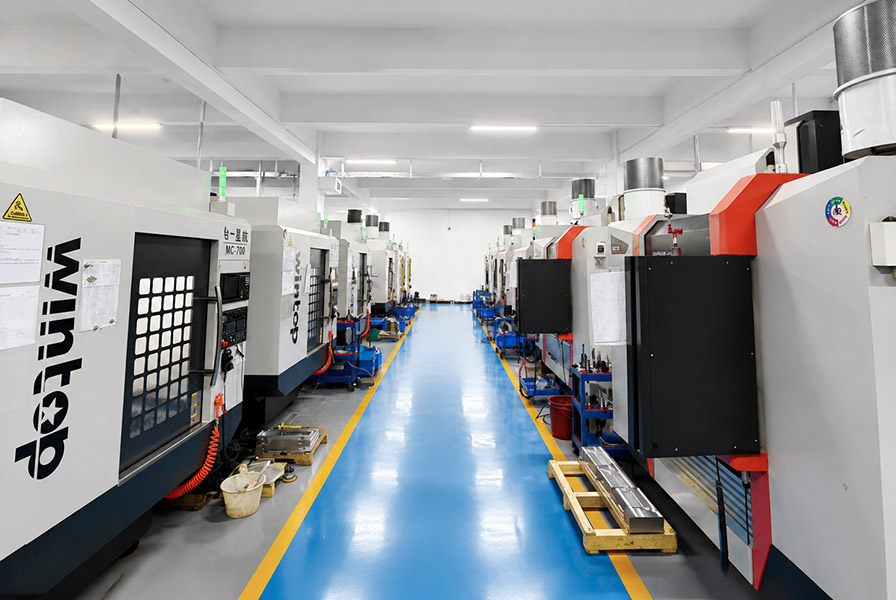
1. Control Magnesium Chips and Dust
Solid magnesium is relatively difficult to ignite, but fine chips, shavings, and dust can be highly flammable under suitable conditions.
Manufacturers should regularly remove accumulated chips and keep the machining area clean. Magnesium chips should be collected separately and should never be mixed with chips from other metals.
2. Use Appropriate Chip Extraction Systems
Chip extraction equipment must be specifically designed and approved for combustible magnesium dust and chips.
Explosion protection, grounding, and appropriate dust collection systems should be considered according to the applicable industrial safety standards. Ordinary workshop vacuum cleaners should not be used to collect magnesium dust or chips.
3. Select Suitable Cutting Tools and Parameters
Proper cutting tool geometry, clearance angles, cutting speeds, and feed rates are essential for safe and efficient magnesium machining.
Tools should be maintained in good condition to prevent excessive friction, overheating, and unexpected tool failure.
4. Manage Coolants Carefully
Coolant selection requires special attention when machining magnesium. Certain water-based coolants can react with magnesium chips under specific conditions and may generate flammable hydrogen gas.
Manufacturers should use only machining fluids and cooling strategies specifically approved for magnesium machining, following equipment and fluid supplier recommendations.
5. Prepare the Correct Fire Protection Equipment
Magnesium fires require specialized firefighting procedures.
Water and ordinary fire extinguishers should not be used on burning magnesium. Class D fire extinguishing agents specifically rated for magnesium fires are required.
Suitable Class D extinguishing agents should be selected according to the magnesium alloy and the fire protection supplier's instructions. Personnel should receive appropriate emergency response training.
6. Store Magnesium Chips Properly
Magnesium chips should be collected, handled, and stored according to established combustible-metal safety procedures.
Keep chips separated from other metal waste and combustible materials. Avoid moisture exposure and follow approved storage and disposal requirements. Wet magnesium chips require special handling because of the potential for hydrogen generation.
Magnesium CNC Machining vs. Aluminum CNC Machining
Magnesium and aluminum are both popular lightweight materials for CNC machining. However, they have different physical and mechanical properties that influence material selection and manufacturing performance.
| Comparison | Magnesium | Aluminum |
|---|---|---|
| Density | Lower | Higher |
| Strength-to-weight ratio | Excellent for selected alloys | Excellent for selected alloys |
| Machinability | Generally excellent | Generally very good |
| Cutting resistance | Relatively low | Generally higher |
| Vibration damping | Very good | Generally lower |
| Corrosion resistance | Requires appropriate alloy and protection | Generally good, depending on alloy |
| Machining safety | Requires combustible-metal precautions | Generally less demanding |
Magnesium is a strong option when minimizing weight, improving vibration damping, and increasing machining efficiency are priorities. Aluminum may be preferable when broader corrosion resistance, structural versatility, and easier handling are more important.
The best material depends on the component's mechanical requirements, operating environment, production costs, and safety considerations.
Why Choose Professional Magnesium CNC Machining Services?
Selecting an experienced Magnesium CNC Machining Manufacturer is important for achieving consistent component quality and safe manufacturing operations.
Professional magnesium machining services can help customers optimize material selection, machining parameters, tooling, and production processes according to their technical requirements.
Whether you need prototype development, low-volume production, or customized precision components, working with a capable CNC machining supplier helps ensure that your magnesium parts meet the required specifications.
From CNC milling and turning to dimensional inspection and surface finishing, a comprehensive manufacturing solution can simplify the production process and improve overall project efficiency.
Frequently Asked Questions About Magnesium CNC Machining
Is magnesium good for CNC machining?
Yes. Magnesium is one of the most machinable structural metals. Its low cutting resistance allows relatively high cutting speeds and lower cutting forces, helping manufacturers achieve efficient production and good surface finishes.
However, appropriate safety measures are essential because fine magnesium chips and dust can ignite.
Is magnesium easier to machine than aluminum?
Generally, yes. Magnesium has lower cutting resistance and can often be machined at higher speeds with lower cutting forces than aluminum. It can also produce short chips and good surface finishes.
However, magnesium requires more specialized fire prevention and chip-handling procedures.
Is magnesium CNC machining expensive?
Magnesium CNC machining costs depend on the selected alloy, component geometry, machining time, production quantity, tooling, and surface finishing requirements.
Although magnesium machining can reduce cutting energy consumption and tool wear, the overall manufacturing cost also depends on raw material prices and specialized safety requirements.
What are the disadvantages of magnesium CNC machining?
The main challenges include its flammability in fine chip and dust forms, sensitivity to certain corrosive environments, and the need for specialized chip collection and fire protection systems.
Manufacturers must carefully manage cutting parameters, coolant selection, and chip storage to ensure safe production.
Can magnesium be used for precision CNC machined parts?
Yes. Magnesium alloys can be used to manufacture precision components with complex geometries and tight dimensional requirements. Proper machine calibration, tool selection, machining strategies, and quality inspection are important for achieving the required accuracy.
What industries use magnesium CNC machined parts?
Magnesium CNC machined components are commonly used in aerospace, automotive, electronics, medical equipment, and other industries where lightweight construction, good machinability, and vibration damping are important.
Does magnesium CNC machining require coolant?
Coolant requirements depend on the machining operation, alloy, and cutting conditions. Suitable cooling and lubrication strategies can help control cutting temperatures and improve machining performance.
However, conventional water-based coolants should not be used without confirming their compatibility with magnesium machining and the manufacturer's safety requirements.
Magnesium offers an attractive combination of low density, excellent machinability, good strength-to-weight ratio, and vibration-damping performance. These advantages make Magnesium CNC Machining a valuable manufacturing solution for industries that require lightweight, precise, and cost-effective components.
By selecting suitable magnesium alloys, optimizing machining parameters, and following proper combustible-metal safety procedures, manufacturers can produce high-quality magnesium CNC machined parts while improving production efficiency.
If you are looking for reliable Magnesium CNC Machining Services, working with an experienced precision machining manufacturer can help you find the right solution for your component design and production requirements.


