



A 5 axis CNC machine is an advanced computer numerical control machine that can move along three linear axes and two rotational axes to machine complex parts from multiple angles. Compared with a traditional 3 axis CNC machine, a 5 Axis CNC Machining center offers greater flexibility, improved machining efficiency, and the ability to produce intricate geometries with fewer setups.
Five-axis CNC Machining is widely used in aerospace, automotive, medical, mold making, and precision engineering industries. It is an ideal solution for manufacturers that require high-precision components, complex curved surfaces, and consistent machining quality.

 How Does a 5 Axis CNC Machine Work?
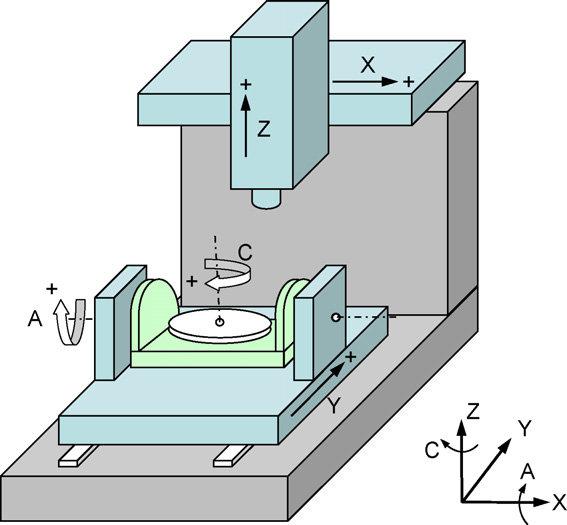
A 5 axis CNC machine operates through a computer-controlled system that coordinates the movement of the cutting tool and workpiece. The machine uses three linear axes and two rotational axes to reach different machining angles without requiring the workpiece to be manually repositioned for every surface.
The three linear axes are X, Y, and Z, which control movement from side to side, front to back, and up and down. The two additional rotational axes are commonly designated A, B, or C, depending on the machine's configuration. These rotational movements allow the cutting tool to approach the workpiece from different directions.
During 5 axis CNC machining, CAD models and CAM software are used to generate toolpaths that guide the cutting process. This coordinated movement enables manufacturers to machine complex shapes, deep cavities, angled holes, and curved surfaces with greater flexibility.
What Are the Main Advantages of a 5 Axis CNC Machine?
 1. Machining Complex Geometries
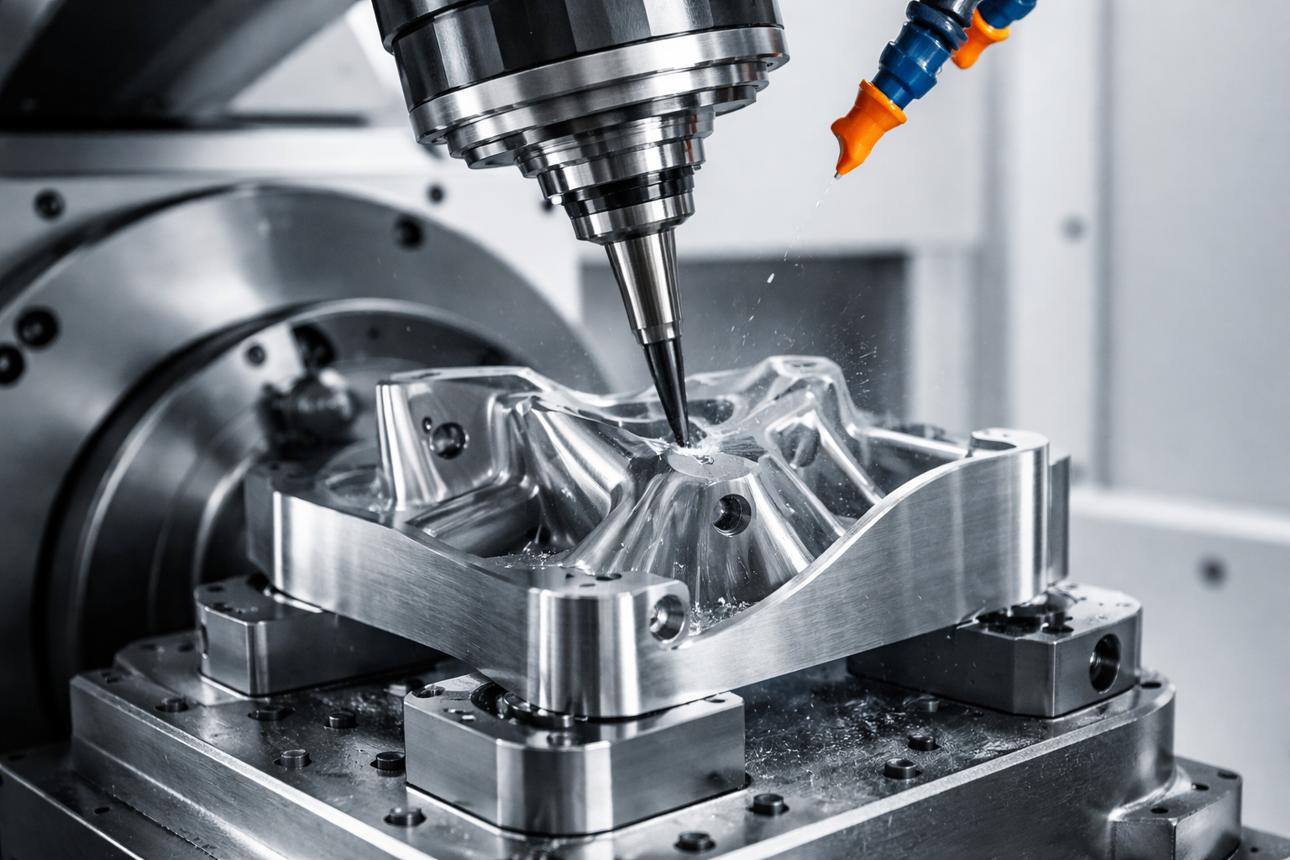
One of the main advantages of a 5 axis CNC machine is its ability to manufacture parts with complicated shapes and contours. By adjusting the cutting angle, the machine can access multiple surfaces and machine intricate features that may be difficult to produce using conventional equipment.
This makes 5 axis CNC milling particularly suitable for turbine blades, impellers, Aerospace Components, and precision molds.
2. Improved Machining Accuracy
Repeatedly repositioning a workpiece can introduce alignment errors. Five-axis CNC machining can reduce the number of setups required for many components, helping maintain dimensional consistency between different features.
The actual machining accuracy depends on machine rigidity, calibration, cutting tools, workpiece materials, and process parameters. With appropriate equipment and process control, manufacturers can achieve demanding precision requirements for complex components.
3. Higher Production Efficiency
A 5 axis CNC machining center can machine multiple surfaces in a single setup, reducing manual handling and setup time. It can also use optimized tool orientations to improve cutting conditions and shorten machining cycles.
For manufacturers producing complex components, these benefits can help improve productivity and reduce overall production time.
4. Better Surface Finish
By maintaining a suitable cutting angle and optimizing tool engagement, a 5 axis CNC machine can improve surface finish on curved and angled surfaces. Shorter cutting tools may also be used in certain applications, helping reduce tool deflection and vibration.
These capabilities are particularly valuable when machining complex molds, Aerospace Components, and precision metal parts.
What Is the Difference Between a 3 Axis and a 5 Axis CNC Machine?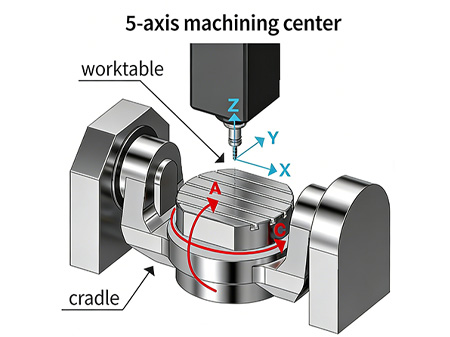
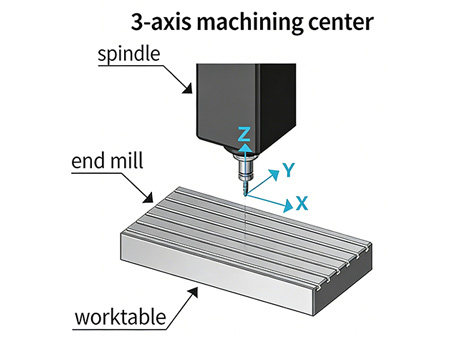
A 3 axis CNC machine moves along the X, Y, and Z axes. It is suitable for machining flat surfaces, holes, slots, and many conventional mechanical components.
A 5 axis CNC machine adds two rotational axes, allowing the cutting tool or workpiece to change orientation during machining. This makes it more suitable for components that require machining from multiple angles or contain complex curved surfaces.
Feature | 3 Axis CNC Machine | 5 Axis CNC Machine |
|---|---|---|
Motion | Three linear axes | Three linear axes and two rotational axes |
Part complexity | Simple to moderately complex parts | Complex geometries and curved surfaces |
Workpiece setup | May require multiple setups | Can often reduce setup frequency |
Machining flexibility | Limited access to angled surfaces | Greater access to multiple surfaces |
Equipment cost | Generally lower | Generally higher |
Typical applications | Plates, brackets, and simple components | Turbine blades, impellers, and complex molds |
Although a 5 axis CNC machine offers greater flexibility, it is not always the most economical choice. For simple components that require only three-axis movement, a 3 axis CNC machine may provide a more cost-effective manufacturing solution.
What Materials Can a 5 Axis CNC Machine Process?
A 5 axis CNC machine can process a wide range of materials, depending on the machine's specifications, cutting tools, and machining requirements.
Aluminum: Aluminum is widely used in aerospace, automotive, electronics, and industrial equipment because of its lightweight properties and good machinability.
Stainless Steel: Stainless steel is suitable for components requiring corrosion resistance, strength, and durability. It is commonly used in medical equipment, industrial machinery, and food processing equipment.
Titanium: Titanium is valued for its high strength-to-weight ratio and corrosion resistance. It is frequently used in aerospace and specialized medical applications, although machining it can require careful heat and tool management.
Engineering Plastics: Materials such as PEEK, POM, and nylon can be machined into precision components for industrial equipment, electronics, and medical applications.
Other Metals: Depending on equipment capability, 5 axis CNC machining can also process brass, copper, alloy steel, and other engineering materials.
Material selection should consider mechanical properties, operating conditions, dimensional tolerances, surface finish, and total manufacturing cost.
What Are the Applications of 5 Axis CNC Machining?
Aerospace Industry
The aerospace industry uses 5 axis CNC machining to manufacture turbine blades, structural components, engine parts, and other complex geometries. The ability to machine intricate surfaces and maintain dimensional consistency makes this technology valuable for demanding aerospace applications.
Automotive Industry
Automotive manufacturers use 5 axis CNC machining for engine components, prototype parts, precision molds, and specialized performance components. It supports the production of complex shapes and helps reduce setup time during manufacturing.
Medical Industry
Five-axis CNC machining can produce precision medical components, surgical instruments, and specialized device parts. Material compatibility, surface requirements, and applicable regulatory standards must be considered for each application.
Mold and Die Manufacturing
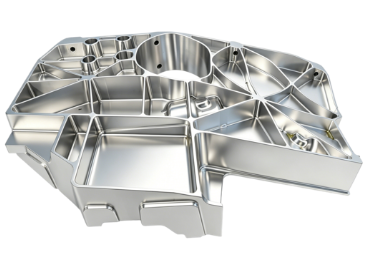
Complex molds often contain curved surfaces, deep cavities, and angled features. A 5 axis CNC machine can access these features from different orientations, making it useful for injection molds, die-casting molds, and precision tooling.
Industrial Equipment
Manufacturers of industrial machinery use five-axis CNC machining to produce custom components, precision housings, impellers, and other parts that require multiple machining angles.
 How to Choose the Right 5 Axis CNC Machining Service
Selecting a suitable 5 axis CNC machining service requires more than comparing prices. Buyers should evaluate the supplier's technical capabilities and ability to meet project requirements.
Material capabilities: Confirm that the supplier has experience machining the required metals or engineering plastics.
Machining accuracy: Check whether the supplier can meet the specified dimensional tolerances and inspection requirements.
Equipment capabilities: Evaluate machine travel, workpiece size limits, spindle performance, and rotary-axis configuration.
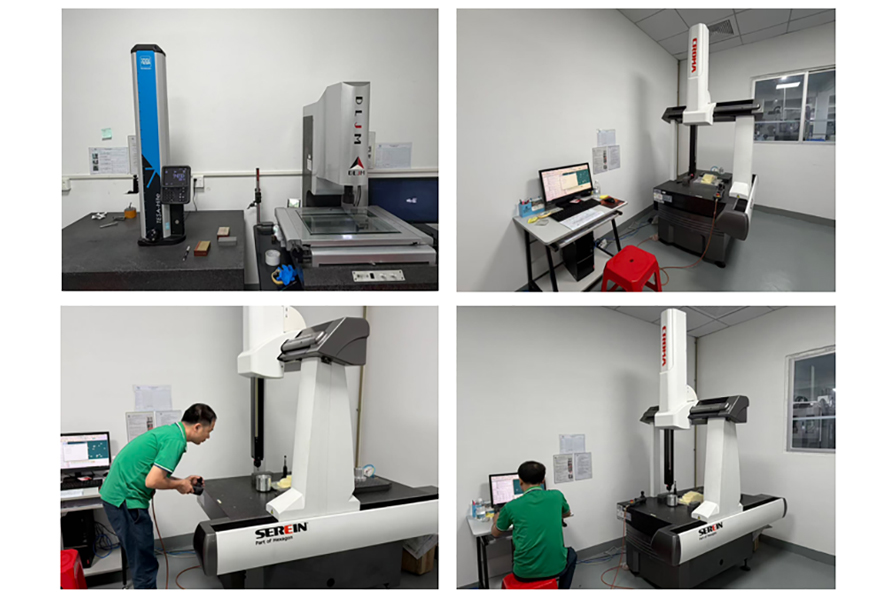
Quality control: Ask about dimensional inspection, measurement equipment, and quality documentation.
Production capacity: Ensure the supplier can support prototype development, small-batch production, or larger manufacturing orders.
Engineering support: A capable CNC machining partner should be able to review drawings, recommend manufacturing improvements, and identify potential production issues.
Working with an experienced CNC machining manufacturer can help improve part quality, optimize production costs, and reduce manufacturing risks.
Frequently Asked Questions
Is a 5 axis CNC machine more accurate than a 3 axis CNC machine?
Not necessarily. A 5 axis CNC machine offers greater machining flexibility and can reduce errors caused by repeated workpiece setups. However, actual accuracy depends on machine calibration, rigidity, tooling, thermal stability, and process control.
What is the difference between 5 axis CNC machining and 5-sided machining?
Five-sided machining typically refers to machining five faces of a workpiece through different tool or workpiece orientations, often using a 3+2-axis approach. Simultaneous 5 axis CNC machining allows all five axes to move in a coordinated manner during cutting. The appropriate method depends on part geometry and machining requirements.
Is 5 axis CNC machining suitable for small production runs?
Yes. Five-axis CNC machining is suitable for prototypes, custom components, and small-batch production, especially when parts have complex geometries or require multiple setups on conventional machines. The most economical option depends on programming, setup, and machining time.
How much does a 5 axis CNC machining service cost?
The cost depends on material, part complexity, machining time, tolerances, surface finish, quantity, and inspection requirements. Complex components may require specialized programming and tooling, increasing the overall cost. Providing a detailed technical drawing and material specification helps suppliers prepare a more accurate quotation.
What industries benefit most from 5 axis CNC machining?
Aerospace, automotive, medical equipment, mold manufacturing, and precision engineering are among the main industries that benefit from five-axis CNC machining because they frequently require complex geometries, accurate dimensions, and high-quality surface finishes.
A 5 axis CNC machine is an advanced manufacturing solution that combines three linear axes with two rotational axes to produce complex, precision-engineered components. Its ability to machine multiple surfaces, reduce setups, and improve access to intricate geometries makes it valuable for a wide range of industrial applications.
For businesses manufacturing complex metal or plastic parts, choosing the right 5 axis CNC machining process can improve production efficiency, dimensional consistency, and overall manufacturing quality. Evaluating part requirements, material properties, machining capabilities, and supplier expertise is essential to achieving the best results.


