



Deep hole drilling in magnesium alloys requires careful control of hole diameter, straightness, depth, and positional accuracy. Although magnesium alloys offer excellent machinability due to their low cutting resistance and relatively good thermal conductivity, maintaining consistent tolerances becomes increasingly challenging as hole depth increases.
For manufacturers producing precision magnesium components, achieving reliable magnesium alloy deep hole drilling tolerances depends on selecting suitable cutting tools, optimizing machining parameters, controlling chip evacuation, and implementing appropriate inspection methods.
This guide explains how to improve deep hole drilling accuracy in magnesium alloys, the factors affecting dimensional tolerances, and the manufacturing practices used to produce high-precision drilled components.
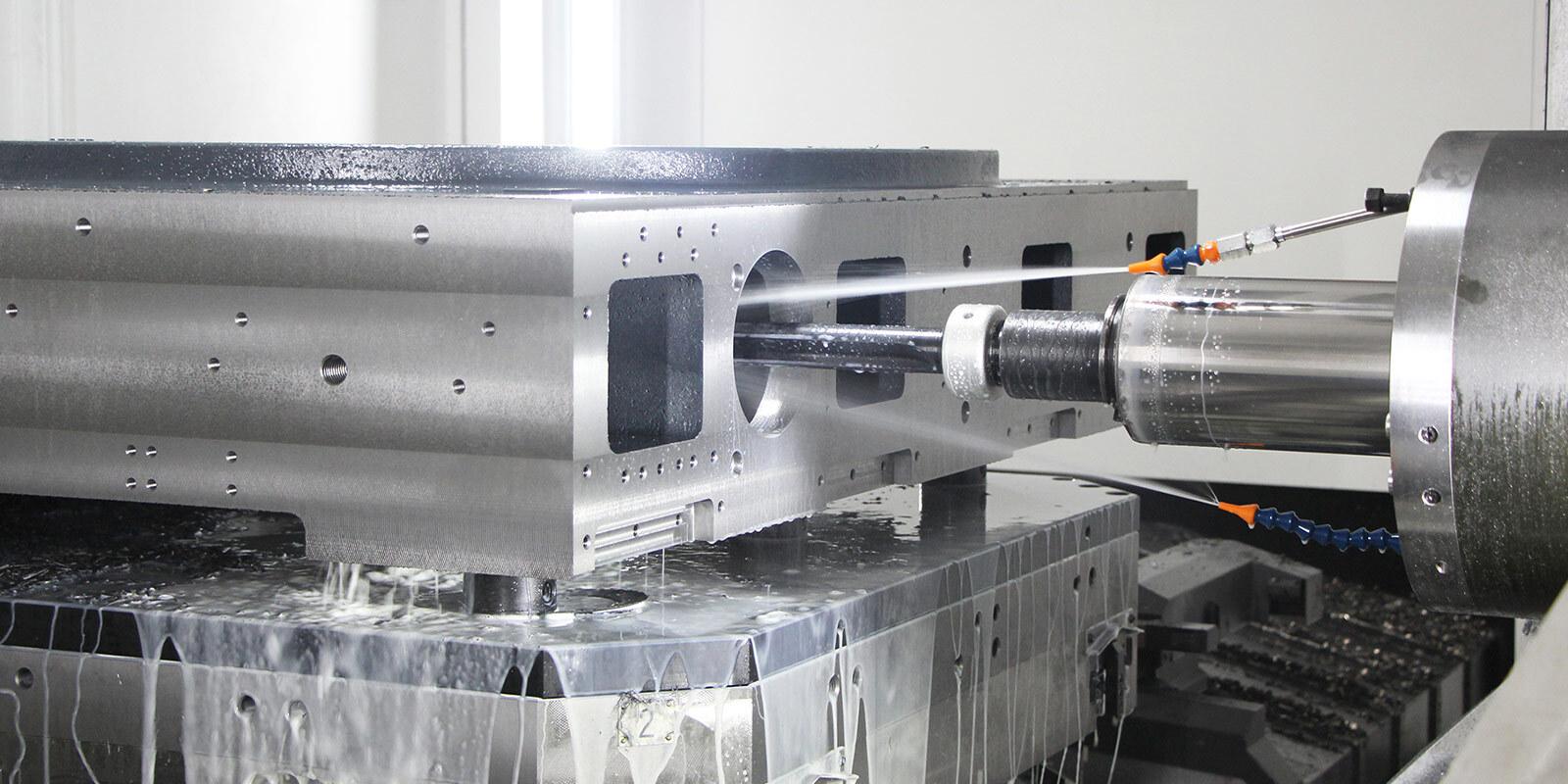
1. What Is Deep Hole Drilling in Magnesium Alloys?
Deep hole drilling is a machining process used to produce holes with a relatively large depth-to-diameter ratio. In precision magnesium machining, holes with a length-to-diameter (L/D) ratio greater than 5:1 often require additional attention to tool stability, chip evacuation, and dimensional control.
For example, drilling a 6 mm diameter hole to a depth of 60 mm produces an L/D ratio of 10:1.
As the L/D ratio increases, the risk of drill deflection, hole deviation, and inconsistent surface finish generally becomes greater.
Common Magnesium Alloys Used in Deep Hole Drilling
Magnesium Alloy | Characteristics | Typical Applications |
|---|---|---|
AZ31 | Good ductility and machinability | Electronic housings, lightweight structural parts |
AZ91D | Good castability and machinability | Automotive Components, equipment housings |
ZK60 | High strength and good mechanical properties | Aerospace and precision mechanical components |
AM60 | Good ductility and impact resistance | Automotive structural components |
Different magnesium alloy grades may require adjustments to cutting speeds, feed rates, tooling, and machining strategies.
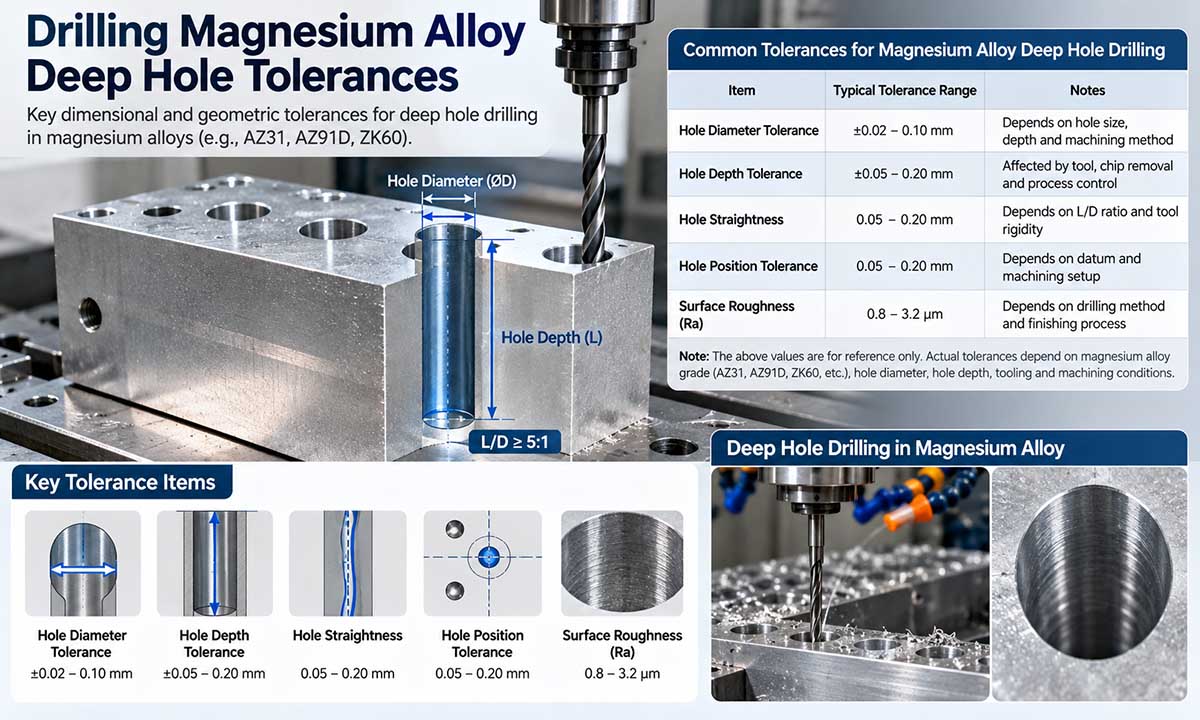 2. What Tolerances Can Be Achieved in Magnesium Alloy Deep Hole Drilling?
The achievable tolerances in magnesium alloy drilling depend on hole diameter, drilling depth, material grade, machine rigidity, and finishing requirements.
For initial engineering discussions, the following ranges may be considered illustrative machining targets rather than guaranteed manufacturing capabilities.
Tolerance Parameter | Illustrative Range | Key Influencing Factors |
|---|---|---|
Hole Diameter Tolerance | ±0.02–0.10 mm | Tool geometry, machine accuracy, finishing method |
Hole Depth Tolerance | ±0.05–0.20 mm | Tool positioning, depth measurement |
Hole Straightness | Drawing-specific | L/D ratio, drill guidance, tool deflection |
Hole Position Tolerance | 0.05–0.20 mm | Datum selection, fixturing, machining setup |
Surface Roughness | Ra 0.8–3.2 μm | Cutting parameters, tool condition, finishing process |
These values are not universal standards. Tighter tolerances may be achievable with suitable equipment and additional finishing operations, while long, small-diameter holes may require less restrictive specifications.
Engineers should distinguish between diameter tolerance, positional tolerance, and straightness requirements because each describes a different aspect of hole quality.
3. Why Is Deep Hole Drilling Tolerance Control Challenging in Magnesium Alloys?
Magnesium alloys are generally easier to machine than many high-strength steels and titanium alloys. However, deep hole drilling introduces several manufacturing challenges.
3.1 Tool Deflection and Hole Deviation
As drilling depth increases, the drill becomes more susceptible to bending and lateral forces.
Tool deflection may cause:
Hole centerline deviation
Inconsistent hole diameter
Reduced straightness
Poor alignment with mating components
For precision magnesium machining, tool rigidity and proper drill guidance are essential.
3.2 Chip Evacuation Problems
Magnesium alloys can produce chips that accumulate inside deep holes if evacuation is insufficient.
Chip accumulation may result in increased friction, surface scratches, tool damage, and unstable cutting conditions.
Because magnesium chips and fine particles can present fire hazards, chip management must also be designed around magnesium-specific machining safety requirements.
3.3 Thermal Expansion and Dimensional Variation
Magnesium alloys have relatively high coefficients of thermal expansion.
For example, AZ31 magnesium alloy has a linear thermal expansion coefficient of approximately 26 × 10⁻⁶/K near room temperature, although actual values depend on alloy condition and temperature.
Temperature changes during machining and inspection can therefore affect dimensional measurements.
Maintaining stable workpiece temperatures is particularly important when manufacturing precision magnesium components with tight tolerances.
3.4 Workpiece Deformation
Thin-walled magnesium components may deform under excessive clamping pressure or cutting forces.
This can affect hole positioning, roundness, and dimensional accuracy after the workpiece is released from the fixture.
4. How to Control Deep Hole Drilling Tolerances in Magnesium Alloys
Achieving reliable magnesium alloy drilling accuracy requires controlling the entire machining process rather than relying on cutting parameters alone.
4.1 Select Appropriate Drilling Tools
Tool selection directly influences hole diameter consistency, straightness, and surface finish.
Common drilling tools include:
Carbide Drills
Solid carbide drills provide high rigidity and wear resistance. They are often suitable for precision holes where dimensional consistency is important.
Gun Drills
Gun drilling systems are designed for producing deep holes with controlled guidance and chip removal.
They may be suitable for Magnesium Alloy Components requiring relatively high L/D ratios.
Specialized Deep Hole Drills
Long drills with optimized flute geometry can improve chip evacuation and reduce cutting instability.
Tool selection should consider hole diameter, depth, required tolerance, and the available machining system.
4.2 Optimize Cutting Speed and Feed Rate
Cutting parameters influence drilling forces, chip formation, tool stability, and hole surface quality.
Excessive feed rates may increase cutting forces and drill deflection, while unsuitable cutting speeds may contribute to unstable chip formation or unnecessary heat generation.
For CNC machining magnesium alloys, manufacturers should establish cutting parameters through controlled machining trials using the selected alloy and tooling.
The objective is to achieve stable chip formation, consistent dimensional accuracy, and safe machining conditions.
4.3 Improve Tool Guidance and Machine Rigidity
Proper tool guidance is essential for controlling deep hole straightness.
Recommended manufacturing practices include using rigid machine setups, minimizing unsupported tool length, ensuring accurate spindle alignment, and applying suitable pilot-hole or guide-bushing strategies where required.
For holes with high L/D ratios, specialized deep hole drilling equipment may provide better directional control than conventional drilling methods.
4.4 Control Chip Evacuation
Efficient chip removal helps maintain drilling stability and protect the machined hole surface.
Depending on the process, manufacturers may use engineered dry-machining systems, controlled chip extraction, or coolant systems specifically approved for magnesium machining.
Conventional coolant or water-based systems should not be assumed suitable without evaluating magnesium compatibility, hydrogen-generation risks, and the equipment's fire-safety requirements.
4.5 Use Proper Workholding and Fixturing
Stable fixturing helps reduce vibration and positional errors.
For lightweight magnesium components, clamping forces should be sufficient to secure the workpiece without causing deformation.
Custom fixtures may be necessary when machining thin-walled housings, complex Aerospace Components, or parts with multiple intersecting holes.
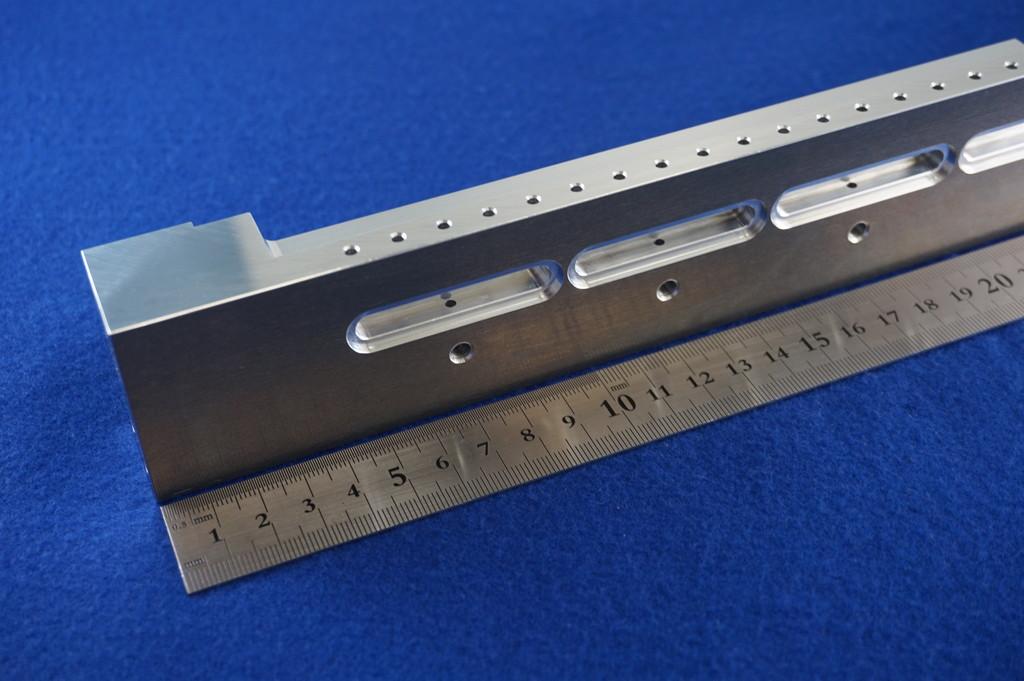
5. How Does the Depth-to-Diameter Ratio Affect Drilling Accuracy?
The L/D ratio is one of the most important considerations in deep hole machining tolerance control.
L/D Ratio | Machining Considerations | Typical Approach |
|---|---|---|
Below 5:1 | Generally manageable with conventional drilling | Standard precision drilling |
5:1–10:1 | Increased chip evacuation and deflection concerns | Optimized tooling and drilling parameters |
10:1–20:1 | Greater straightness and stability challenges | Specialized deep hole drilling strategies |
Above 20:1 | High sensitivity to tool guidance and process conditions | Dedicated deep hole drilling equipment |
These categories are general engineering guidelines rather than fixed process limits.
For example, a 4 mm diameter hole with a depth of 80 mm has an L/D ratio of 20:1.
At this ratio, hole straightness and chip evacuation may become more difficult to control using conventional drilling equipment.
Therefore, engineers should specify both the hole dimensions and geometric tolerances when requesting custom Magnesium Alloy Machining services.
6. How to Inspect Deep Hole Drilling Tolerances
Inspection is essential for verifying that magnesium alloy components meet engineering drawings and assembly requirements.
6.1 Hole Diameter Measurement
Hole diameter can be measured using:
Precision bore gauges
Air gauges
Internal micrometers
Coordinate measuring machines (CMM), where the probe can access the required features
Measurement equipment should be selected according to hole size, accessibility, and tolerance requirements.
6.2 Hole Depth Inspection
Depth gauges, calibrated probes, and suitable CMM systems can be used to verify hole depth.
For blind holes, engineers should clarify whether the specified depth refers to the full-diameter cylindrical portion or the deepest point of the drill tip.
6.3 Hole Straightness and Position Inspection
Deep hole straightness may require specialized probing, bore measurement equipment, or nondestructive inspection methods.
CMM inspection can verify accessible hole geometry and positional relationships, but full-length centerline inspection may require additional measurement techniques.
6.4 Surface Roughness Inspection
Surface roughness influences component performance, particularly where drilled holes are used for fluid passages, precision alignment, or sliding interfaces.
Suitable contact or optical measurement methods can be used where hole geometry permits access.
For inaccessible internal surfaces, manufacturers may need alternative inspection strategies or representative process validation.
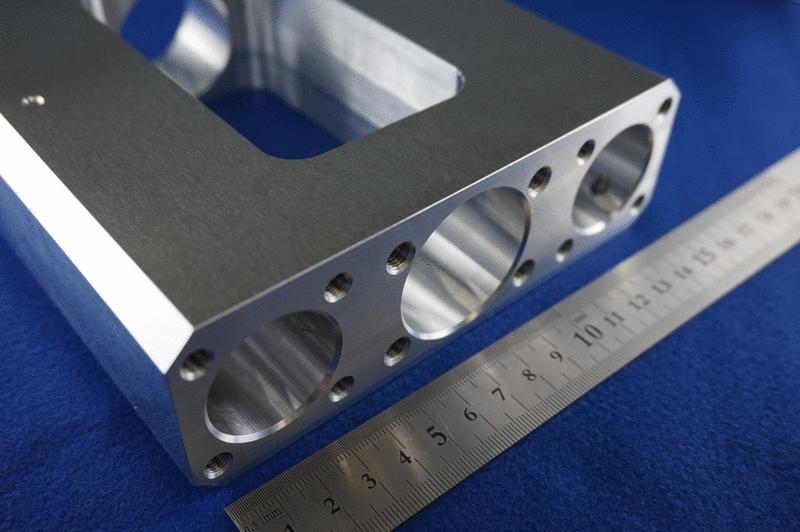
7. What Are the Applications of Precision Deep Hole Drilling in Magnesium Alloys?
Precision deep hole drilling supports the manufacturing of lightweight components across several industries.
Aerospace Components
Magnesium alloys may be used in selected aerospace housings, structural fittings, and lightweight mechanical assemblies where material specifications and applicable restrictions permit their use.
Deep holes may be required for mounting, alignment, or internal mechanical features.
Automotive Components
Magnesium alloy components are used in lightweight automotive structures, housings, and transmission-related assemblies.
Precision drilling helps maintain dimensional consistency for fasteners, shafts, and mating components.
Electronic Equipment
Magnesium alloys are used in selected electronic housings and lightweight equipment frames.
CNC drilling enables accurate mounting holes and internal fastening features while supporting compact component designs.
Industrial Machinery
Custom magnesium alloy parts may require deep holes for alignment, mechanical interfaces, or specialized internal passages.
Accurate machining helps improve assembly consistency and reduce dimensional variation.
8. How Can Manufacturers Improve Magnesium Alloy Deep Hole Drilling Quality?
For manufacturers providing precision magnesium machining, consistent quality depends on integrating process planning, machining control, and inspection.
A practical manufacturing workflow includes:
01
Drawing Review
Review hole size, depth and GD&T
02
Process Planning
Select tooling, fixtures and machining strategy
03
CNC Drilling
Control cutting stability and chip evacuation
04
Quality Inspection
Verify dimensions and hole geometry
For demanding applications, first-article inspection and process capability evaluation can help determine whether the selected machining method consistently meets the specified requirements.
Manufacturers should also review the relationship between tolerance requirements and production costs.
Extremely tight tolerances may require specialized equipment, additional finishing operations, or more extensive inspection.
9. Frequently Asked Questions
What Is the Typical Tolerance for Deep Hole Drilling in Magnesium Alloys?
Hole diameter tolerances such as ±0.02 mm to ±0.10 mm may be considered during preliminary process planning, but achievable accuracy depends on hole dimensions, L/D ratio, equipment, and finishing methods. Actual tolerances must be confirmed through manufacturing evaluation.
Can Magnesium Alloys Be Gun Drilled?
Yes. Magnesium alloys can be machined using suitable gun drilling equipment. However, tool selection, chip evacuation, cutting conditions, and magnesium-specific fire safety must be evaluated before production.
How Can Hole Straightness Be Improved?
Hole straightness can be improved through rigid tooling, accurate drill guidance, stable workholding, controlled cutting parameters, and appropriate deep hole drilling equipment.
Is Magnesium Alloy Difficult to Drill?
Magnesium alloys generally have good machinability compared with many other engineering metals. However, deep holes, tight tolerances, thin walls, and chip-handling requirements can make precision drilling more challenging.
What Information Should Buyers Provide for Custom Magnesium Drilling?
Buyers should provide engineering drawings, magnesium alloy grade, hole diameter, depth, dimensional and geometric tolerances, surface finish requirements, production quantity, and inspection requirements.
Controlling deep hole drilling tolerances in magnesium alloys requires a combination of suitable tooling, stable machining conditions, effective chip evacuation, accurate workholding, and reliable inspection methods.
Although magnesium alloys offer favorable machining characteristics, increasing hole depth introduces additional challenges related to drill deflection, hole straightness, and dimensional consistency.
For OEM manufacturers and engineering buyers, selecting an experienced magnesium alloy CNC machining manufacturer can help ensure that machining methods, achievable tolerances, and quality requirements are properly evaluated before production.
Clear engineering specifications and early manufacturing collaboration are essential for producing reliable precision magnesium components.


