



Titanium alloys are widely used in aerospace, medical devices, automotive engineering, and high-performance industrial equipment because of their excellent strength-to-weight ratio, corrosion resistance, and mechanical properties.
However, titanium alloy CNC Machining presents significant manufacturing challenges. Low thermal conductivity, high cutting temperatures, rapid tool wear, and workpiece deformation can make it difficult to maintain consistent dimensional accuracy and surface quality.
For manufacturers specializing in CNC machining titanium alloys, overcoming these challenges requires appropriate cutting tools, optimized machining parameters, effective cooling strategies, and reliable quality control.
This article explores the key titanium machining challenges, explains their causes, and provides practical titanium machining solutions for producing precision components.
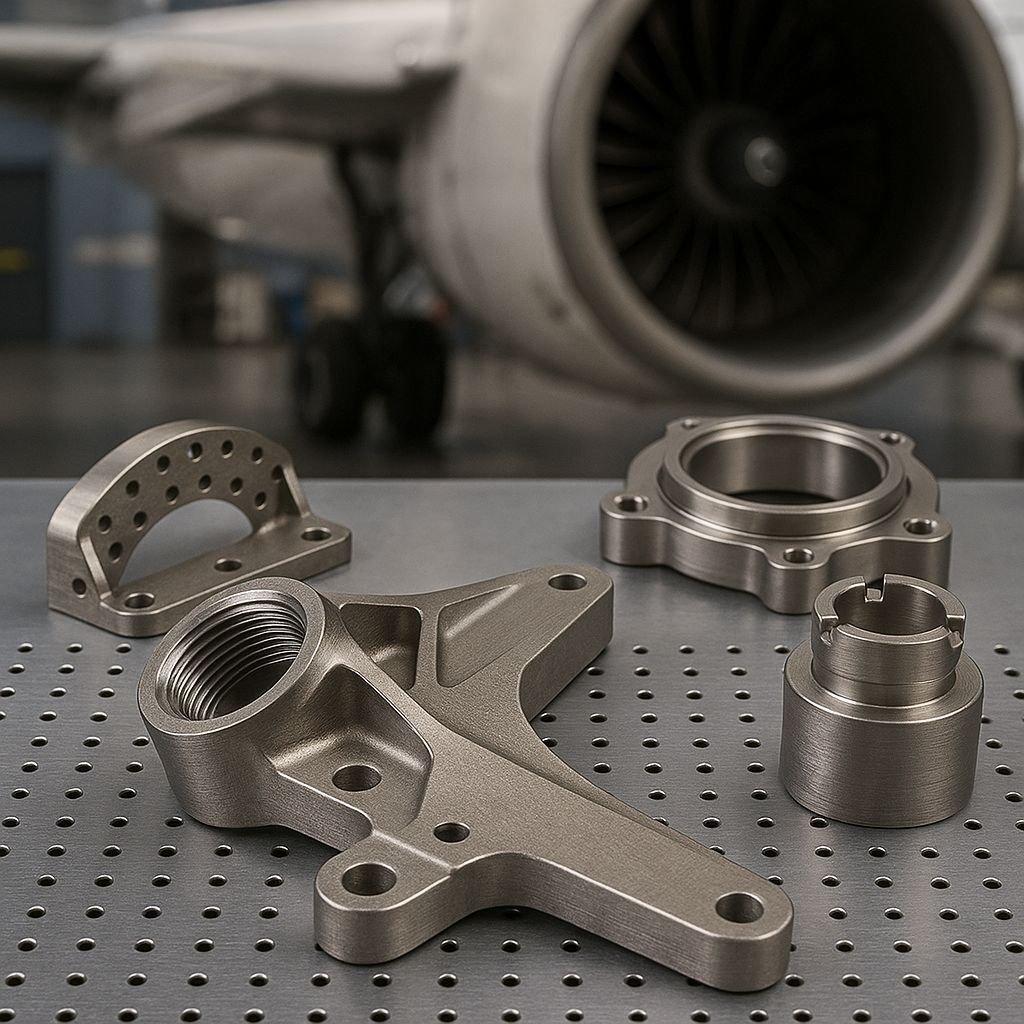
1. Why Is Titanium Alloy CNC Machining Difficult?
The primary difficulty of Titanium Alloy Machining comes from the interaction between material properties and cutting conditions.
Unlike aluminum alloys, titanium alloys do not dissipate cutting heat efficiently. In addition, their relatively low elastic modulus can contribute to workpiece deflection, while high cutting temperatures accelerate tool wear.
These characteristics make Titanium CNC Machining more demanding, particularly when manufacturing complex parts with tight tolerances.
Key Material Properties Affecting Machinability
Material Property | Typical Ti-6Al-4V Value | Machining Impact |
|---|---|---|
Density | Approximately 4.43 g/cm³ | Lightweight structural applications |
Thermal Conductivity | Approximately 6–7 W/m·K | Heat concentration near cutting edges |
Elastic Modulus | Approximately 110–115 GPa | Greater risk of elastic deflection |
Tensile Strength | Approximately 900–1000 MPa in common annealed conditions | High cutting loads |
Melting Point | Approximately 1600–1660°C | High-temperature material capability, not a measure of cutting ease |
Values vary with material condition and specification.
These properties explain why titanium machining requires different manufacturing strategies from those used for conventional aluminum components.
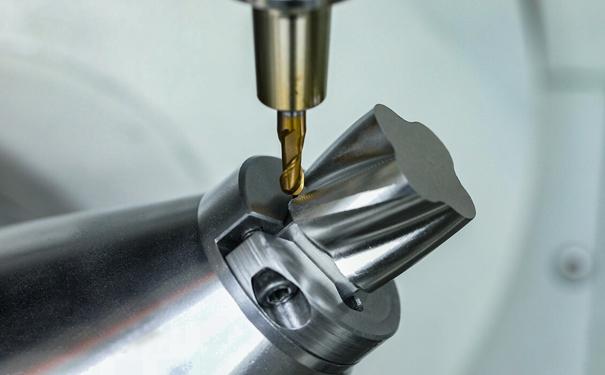 2. What Are the Main Titanium Machining Challenges?
Several technical problems can affect productivity, dimensional accuracy, and machining costs.
2.1 Excessive Cutting Heat
One of the most important titanium CNC machining problems is excessive heat generation around the cutting zone.
Titanium alloys have relatively low thermal conductivity, meaning that heat generated during machining is not transferred away as efficiently as in many other engineering metals.
Consequently, cutting temperatures can become extremely high, particularly during high-speed milling or continuous cutting operations.
Potential consequences include:
Accelerated cutting tool wear
Reduced tool life
Surface damage
Dimensional variation
Increased manufacturing costs
Titanium Machining Solutions
Effective titanium machining heat management involves controlling cutting speed, maintaining suitable chip formation, and applying cooling directly to the cutting zone.
High-pressure coolant systems may improve cooling and chip evacuation when properly configured.
Manufacturers should also avoid excessive cutting speeds that generate unnecessary thermal loads.
2.2 Rapid Tool Wear
Titanium machining tool wear is another major challenge affecting production efficiency.
At elevated temperatures, titanium can react with or adhere to cutting tool materials, contributing to adhesion wear, crater wear, and cutting-edge damage.
This problem becomes particularly important during extended machining cycles.
Solutions for Reducing Tool Wear
Selecting suitable carbide tools is essential for titanium machining tool selection.
Depending on the application, manufacturers may use:
Fine-grain carbide cutting tools
Titanium-compatible tool coatings
Optimized cutting-edge geometries
Tools designed for stable chip evacuation
Tool condition should be monitored regularly to prevent worn cutting edges from affecting dimensional accuracy and surface finish.
2.3 Workpiece Deformation and Vibration
Titanium alloys have a lower elastic modulus than steel, making thin-walled components more susceptible to deflection under cutting forces.
During CNC milling, unstable cutting conditions can also generate chatter and vibration.
These titanium CNC milling challenges may lead to dimensional errors, inconsistent surface finishes, and reduced machining stability.
Solutions for Improving Stability
Manufacturers can reduce deformation and vibration by:
Using rigid fixtures and stable workholding systems.
Minimizing unsupported cutting tool length.
Optimizing tool engagement and cutting paths.
Separating rough machining and finishing operations.
Applying suitable machining allowances for thin-walled components.
For precision titanium machining, fixture design is often as important as cutting tool selection.
2.4 Poor Surface Finish
Achieving a consistent titanium machining surface finish can be difficult because of tool wear, vibration, material adhesion, and unstable cutting conditions.
These problems may produce irregular tool marks, surface tearing, or excessive roughness.
Solutions for Surface Finish Control
A suitable finishing strategy should include sharp cutting tools, stable feeds and speeds, controlled tool engagement, and effective chip removal.
For demanding applications, surface roughness should be verified using calibrated measuring equipment.
The required surface finish should always be specified according to the component's function rather than applying unnecessarily tight requirements to every machined surface.
3. How to Optimize Titanium Alloy Cutting Parameters
Appropriate titanium alloy cutting parameters are essential for achieving stable machining performance.
Cutting speed, feed rate, depth of cut, and tool engagement must be selected based on material grade, cutting tool geometry, machine rigidity, and cooling conditions.
Cutting Parameter Considerations
Parameter | Recommended Approach | Main Objective |
|---|---|---|
Cutting Speed | Use conservative, tool-specific starting values | Control heat and tool wear |
Feed Rate | Maintain stable chip formation without rubbing | Improve cutting efficiency |
Depth of Cut | Match machine rigidity and tool capacity | Reduce unstable cutting forces |
Radial Engagement | Control tool engagement during milling | Improve thermal and mechanical stability |
Cooling | Apply suitable directed coolant | Reduce cutting temperatures |
Toolpath | Minimize sudden engagement changes | Improve tool life and consistency |
There is no universal set of cutting parameters suitable for all titanium alloys.
For example, Grade 2 commercially pure titanium and Grade 5 Ti-6Al-4V have different mechanical properties and machining responses.
A professional titanium machining manufacturer should therefore establish cutting parameters through tool manufacturer guidance, controlled machining trials, and production monitoring.
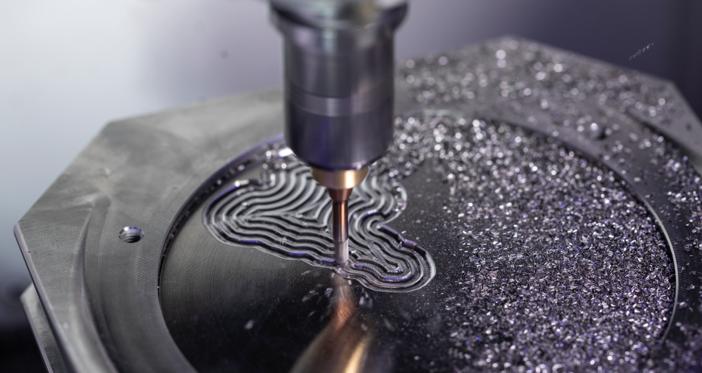 4. How to Improve Titanium Alloy Machining Accuracy
Maintaining titanium alloy machining accuracy requires controlling both mechanical and thermal influences throughout the manufacturing process.
4.1 Control Workpiece Temperature
Temperature changes can affect dimensional measurements and machining consistency.
Manufacturers should maintain stable machining conditions and allow components to reach appropriate inspection temperatures before final measurement.
4.2 Optimize Workholding
Improper clamping may deform thin-walled titanium components.
Custom fixtures can help distribute clamping forces and support critical surfaces without damaging the workpiece.
4.3 Separate Roughing and Finishing
Rough machining removes most of the material, while finishing operations establish the required dimensions and surface quality.
For complex titanium components, an intermediate semi-finishing stage may help control residual deformation and maintain consistent finishing allowances.
4.4 Implement Precision Inspection
Depending on the component, inspection methods may include coordinate measuring machines (CMM), micrometers, bore gauges, surface roughness testers, and optical measuring systems.
Inspection plans should focus on critical dimensions, geometric tolerances, and functional surfaces.
5. Common Titanium Alloys Used in CNC Machining
Different titanium grades require different machining strategies.
Titanium Grade | Main Characteristics | Common Applications |
|---|---|---|
Grade 2 | Commercially pure titanium with excellent corrosion resistance | Chemical equipment, industrial components |
Grade 5 (Ti-6Al-4V) | High strength-to-weight ratio | Aerospace parts, precision mechanical components |
Grade 9 (Ti-3Al-2.5V) | Good balance of strength and formability | Aerospace tubing, lightweight structures |
Grade 23 (Ti-6Al-4V ELI) | Low interstitial content and improved fracture toughness | Medical implants, critical Aerospace Components |
Grade 5 titanium is among the most widely used alloys for custom titanium machining because of its combination of strength, weight, and corrosion resistance.
However, machining difficulty and production cost depend on the specific material condition and component geometry.
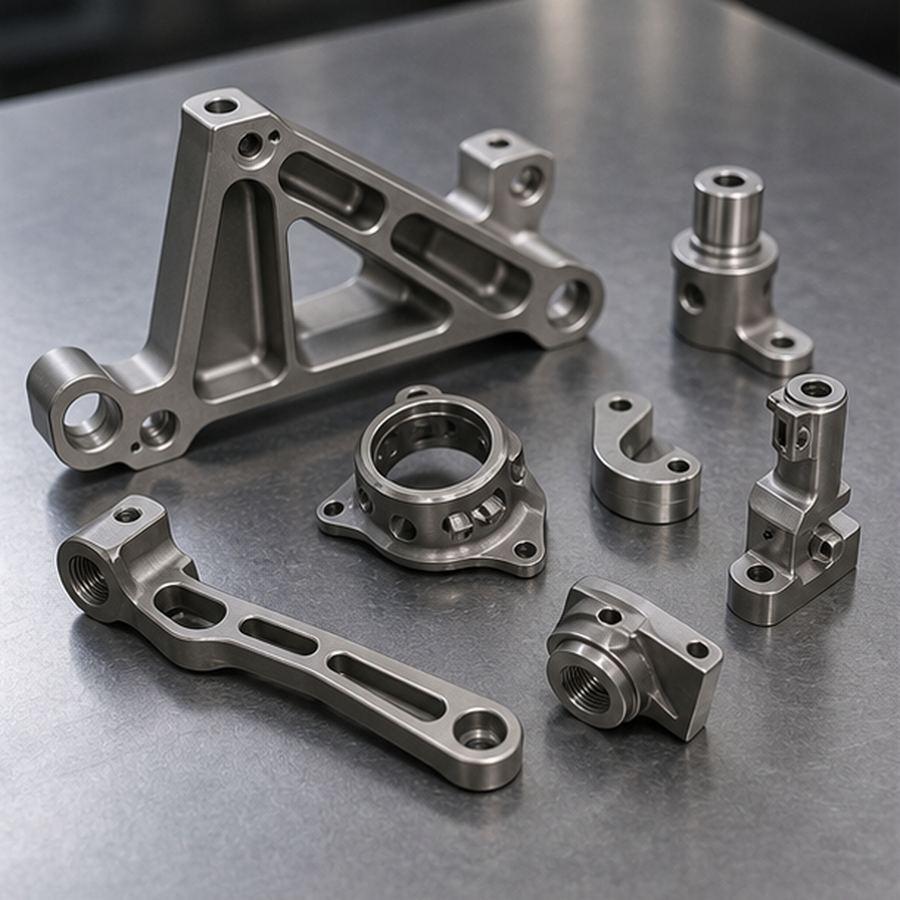
6. How to Control Quality in Precision Titanium CNC Machining
Reliable quality control is essential for producing titanium machined parts used in demanding industrial applications.
A typical quality management process includes the following stages.
01
Material Verification
Confirm alloy grade and material specifications
02
Process Planning
Review drawings, tolerances and tooling
03
Machining Control
Monitor tool wear and dimensional stability
04
Final Inspection
Verify critical dimensions and surface quality
For components with tight tolerances, first-article inspection and in-process measurement can help identify dimensional variation before full production.
When required by the application, additional inspection may include surface integrity evaluation, material traceability, and nondestructive testing.
The inspection plan should be established according to engineering drawings, customer specifications, and applicable industry requirements.
7. Applications of Titanium CNC Machining
Titanium CNC machining services support industries that require lightweight, corrosion-resistant, and high-strength components.
Aerospace Components
Titanium alloys are widely used in aerospace structures, brackets, fittings, and mechanical assemblies.
Precision CNC machining helps manufacture complex geometries while maintaining critical dimensional requirements.
Medical Components
Titanium is used in orthopedic implants, dental components, and surgical instruments.
Medical applications may require strict material traceability, specialized surface treatments, and validated manufacturing processes.
Automotive and Motorsport Components
High-performance automotive applications may use titanium components where reducing weight and maintaining mechanical strength are important.
Examples include selected fasteners, connecting rods, and specialized mechanical components.
Industrial Equipment
Titanium machined parts are also used in chemical processing, marine equipment, and industrial machinery where corrosion resistance is essential.
8. How to Choose a Titanium CNC Machining Supplier
Selecting a reliable titanium CNC machining supplier is important for achieving consistent product quality and controlling manufacturing costs.
Engineering buyers should evaluate several factors.
Material Experience
The manufacturer should understand the machining characteristics of different titanium grades and their effects on cutting parameters, tool life, and dimensional stability.
Machining Capabilities
Precision titanium CNC machining services may require multi-axis milling, CNC turning, drilling, and specialized finishing operations.
Quality Control
The supplier should be able to explain how critical tolerances are measured and verified.
Manufacturing Support
An experienced supplier can provide design-for-manufacturing feedback to help improve machinability and reduce unnecessary machining complexity.
Production Consistency
For repeat orders, manufacturers should demonstrate stable processes, appropriate inspection procedures, and effective tool-life management.
When requesting a quotation for custom titanium machining, buyers should provide engineering drawings, material specifications, surface finish requirements, expected quantities, and applicable inspection standards.
9. Frequently Asked Questions
Why Is Titanium More Difficult to CNC Machine Than Aluminum?
Titanium alloys generally have lower thermal conductivity, higher cutting resistance, and greater sensitivity to tool wear than common aluminum alloys. These characteristics require more careful control of cutting parameters and cooling conditions.
What Is the Biggest Challenge in Titanium Alloy CNC Machining?
Heat concentration and cutting tool wear are among the most significant challenges. They can affect productivity, surface quality, dimensional accuracy, and manufacturing cost.
How Can Titanium Machining Tool Wear Be Reduced?
Tool wear can be reduced through suitable carbide tool selection, optimized cutting parameters, effective cooling, stable workholding, and regular tool condition monitoring.
Can Titanium Alloys Be Machined to Tight Tolerances?
Yes. Titanium alloys can be machined to tight tolerances using suitable equipment and process controls. However, achievable tolerances depend on component geometry, material grade, machining methods, and inspection requirements.
What Is the Best Cutting Tool for Titanium CNC Machining?
Carbide cutting tools are widely used for titanium machining. The most suitable tool depends on the operation, material grade, tool geometry, coating, and cutting conditions.
How Can Manufacturers Reduce Titanium CNC Machining Costs?
Manufacturers can improve cost efficiency by optimizing cutting parameters, reducing unnecessary tool changes, improving toolpath efficiency, minimizing scrap, and reviewing component designs for manufacturability.
Titanium alloy CNC machining requires careful management of cutting heat, tool wear, vibration, workpiece deformation, and dimensional accuracy.
By combining suitable cutting tools, optimized machining parameters, stable workholding, and effective inspection methods, manufacturers can improve machining consistency and produce high-quality titanium components.
For engineering buyers seeking custom titanium machining services, working with a qualified manufacturing partner helps ensure that material selection, machining processes, and quality requirements are properly evaluated before production.
A well-planned manufacturing process can improve component reliability while helping control production costs and lead times.


