| Material Grade | Heat Treatment Grade/Process | Stress Relief Annealing Process (Temperature / Time) | Manual Timing Parameter (Temperature / Time) | Normal Environment Time (h) | Processing Parameters (Roughing/Finishing) |
|---|---|---|---|---|---|
| AZ31B | T5、T6 | 200-250°C / 2-4h | 170-180°C / 8-12h | 120-168 | Roughing: 250-350mm/min, Feed: 0.15-0.18mm/rev, Depth of cut: 1.5-2mm; Finishing: 450-550mm/min, Feed: 0.08-0.1mm/rev, Depth of cut: 0.2-0.4mm |
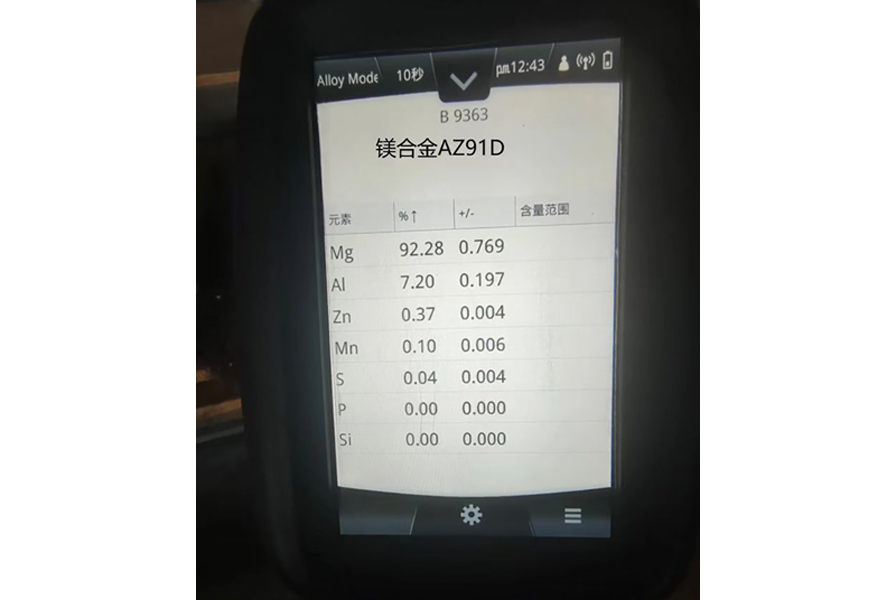
| AZ91D | T5、T6 | 220-260°C / 3-5h | 160-170°C / 10-14h | 168-240 | Roughing: 200-300mm/min, Feed: 0.15-0.2mm/rev, Depth of cut: 1.2-2mm; Finishing: 400-500mm/min, Feed: 0.07-0.09mm/rev, Depth of cut: 0.2-0.3mm (Anti-corrosion effect optimized) |
| AM60B | T5、Stress Relief Annealing | 210-240°C / 2.5-4h | 150-160°C / 12-16h | 144-192 | Roughing: 220-320mm/min, Feed: 0.14-0.17mm/rev, Depth of cut: 1-2mm; Finishing: 420-520mm/min, Feed: 0.08-0.1mm/rev, Depth of cut: 0.2-0.4mm |
| AM50A | T5、Stress Relief Annealing | 200-230°C / 2-3.5h | 150-170°C / 10-13h | 120-168 | Roughing: 200-300mm/min, Feed: 0.13-0.16mm/rev, Depth of cut: 1-1.8mm; Finishing: 400-500mm/min, Feed: 0.07-0.09mm/rev, Depth of cut: 0.2-0.3mm |
| ZK60A | T5、T6 | 230-270°C / 3-5h | 175°C / 12h (Hardness peak value) | 192-240 | Roughing: 200-350mm/min, Feed: 0.15-0.19mm/rev, Depth of cut: 1-2.5mm; Finishing: 350-500mm/min, Feed: 0.075-0.11mm/rev, Depth of cut: 0.2-0.5mm (Reduce speed to ensure surface quality) |
| ZK61M (MB15) | T5、T6 | 220-260°C / 3-4.5h | 170-180°C / 11-15h | 168-216 | Roughing: 200-320mm/min, Feed: 0.14-0.18mm/rev, Depth of cut: 1-2mm; Finishing: 350-480mm/min, Feed: 0.08-0.1mm/rev, Depth of cut: 0.2-0.4mm (High strength suitable for medium and low speed finishing) |
| WE43 | T5、T6 | 250-280°C / 4-6h | 200-220°C / 16-20h (Rare earth stable, requiring high temperature aging) | 240-336 | Roughing: 300-450mm/min, Feed: 0.16-0.2mm/rev, Depth of cut: 1-2.5mm; Finishing: 450-600mm/min, Feed: 0.09-0.12mm/rev, Depth of cut: 0.2-0.5mm (Can be processed with upper limit parameters) |
| AE42 | T5、Stress Relief Annealing | 210-240°C / 3-4h | 160-170°C / 12-16h | 144-192 | Roughing: 220-330mm/min, Feed: 0.15-0.18mm/rev, Depth of cut: 1-2mm; Finishing: 420-530mm/min, Feed: 0.08-0.1mm/rev, Depth of cut: 0.2-0.4mm |
| AS41 | T5、Stress Relief Annealing | 200-230°C / 2.5-3.5h | 150-160°C / 10-14h | 120-168 | Roughing: 210-310mm/min, Feed: 0.13-0.16mm/rev, Depth of cut: 1-1.8mm; Finishing: 410-510mm/min, Feed: 0.07-0.09mm/rev, Depth of cut: 0.2-0.3mm |
| MB8 | Stress Relief Annealing、T5 | 190-220°C / 2-3h | 140-150°C / 12-15h | 120-180 | Roughing: 190-290mm/min, Feed: 0.12-0.15mm/rev, Depth of cut: 1-1.5mm; Finishing: 380-480mm/min, Feed: 0.06-0.08mm/rev, Depth of cut: 0.2-0.3mm |
| Magnesium Alloy Performance | Performance Description | Material Properties | Structural Features | Effect of Alloying Elements |
|---|---|---|---|---|
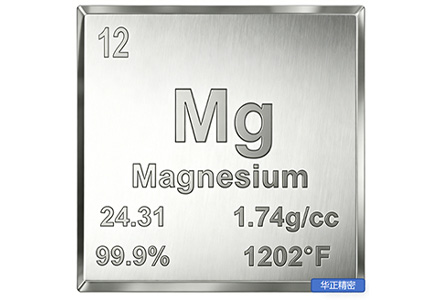
| Low Density & High Strength | The density of magnesium alloy is about 2/3 of aluminum alloy and 1/4 of steel. Its specific strength is higher than aluminum alloy and steel, which can significantly reduce part weight while maintaining structural strength; its specific stiffness is similar to aluminum alloy and steel, allowing thinner part design under the same stiffness requirements. | 1. Density at room temperature (20℃) is 1.738g/cm³, only 2/3 of aluminum alloy and 1/4 of steel, making it the lightest structural metal in industrial applications; 2. Excellent specific strength and specific stiffness, close to aluminum alloy and steel, with significant lightweight advantages; 3. High elastic modulus, uniform stress distribution under load, strong impact resistance; 4. Good damping and shock absorption performance, no permanent deformation after impact, suitable for vibration conditions; 5. Thermal conductivity is lower than aluminum alloy, copper and other metals, with good thermal insulation performance; 6. Excellent fluidity in molten state, outstanding casting performance; 7. Low cutting resistance, one of the easiest metals to machine; 8. Chemically active, poor corrosion resistance, requiring surface protection treatment; 9. Prone to oxidation in high-temperature environments, requiring controlled processing and service temperatures; 10. Abundant magnesium resources in China, high recycling rate, good environmental and economic benefits. | 1. Low density feature brings prominent lightweight effect, especially suitable for weight reduction of transportation equipment; 2. Mechanical properties meet lightweight design requirements, enabling integrated forming of complex structures; 3. Integral casting process reduces part count and machining procedures, improving production efficiency; 4. Moderate thermal conductivity, suitable for heat dissipation components in electronics, automotive and other fields; 5. Good shielding effect against electromagnetic radiation, suitable for electronic product housings; 6. Good plastic formability, can replace some engineering plastics for structural parts; 7. Moderate thermal expansion coefficient, better dimensional stability than most light alloys; 8. Good machining performance (cutting, welding, etc.) for lightweight structures; 9. Low surface emissivity, suitable for precision components of optical instruments; 10. Environmentally friendly throughout the life cycle, known as "the green engineering material of the 21st century". |
|
| Good Thermal Dissipation | The thermal conductivity of magnesium alloy is about 1/2 of aluminum alloy. Closed-cell porous structure forms air insulation layer with high heat dissipation efficiency, widely used in heat dissipation components such as automotive instrument panels and electronic equipment brackets. | |||
| Excellent Vibration Resistance | Damping coefficient is much higher than aluminum alloy and steel. When used in reciprocating and vibrating parts, it can effectively absorb vibration energy, reduce operating noise and extend service life of components. | |||
| Good Castability | Excellent fluidity in molten state and fast solidification rate, can be cast into complex castings with smooth surface and high dimensional accuracy, with high product qualification rate and production efficiency. | |||
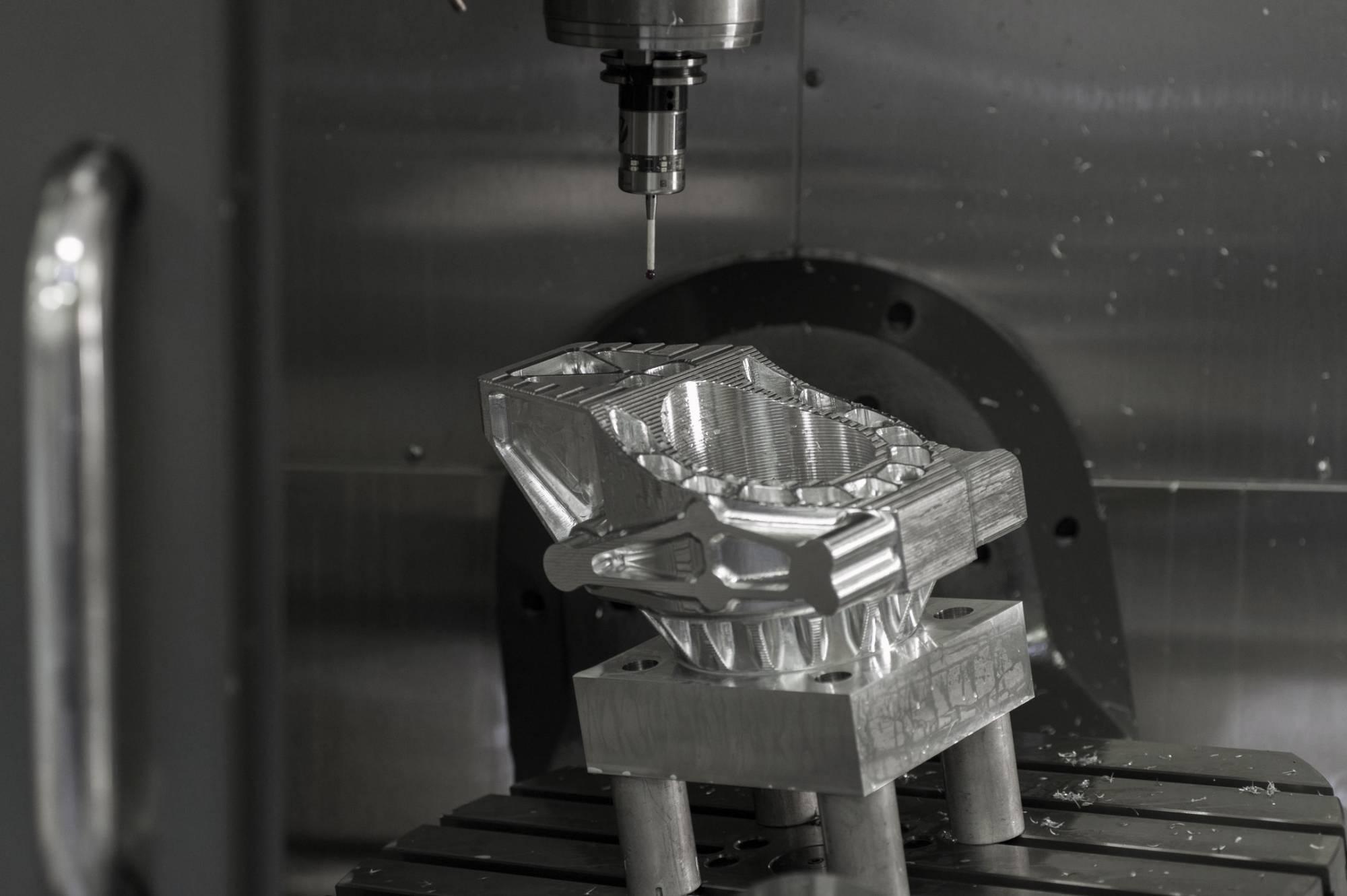
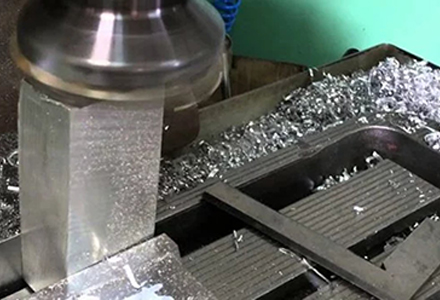
| Excellent Machinability | Low cutting resistance, can be processed at high cutting speed with short processing time and slow tool wear. Machined parts have high surface finish with few burrs, requiring no complex post-processing. | |||
| Abundant Resources & Recyclable | China accounts for over 80% of global magnesium ore reserves and output. Magnesium alloy scrap can be directly remelted and recycled with recycling energy consumption only 5% of primary aluminum, making it a typical green and environmentally friendly material. |

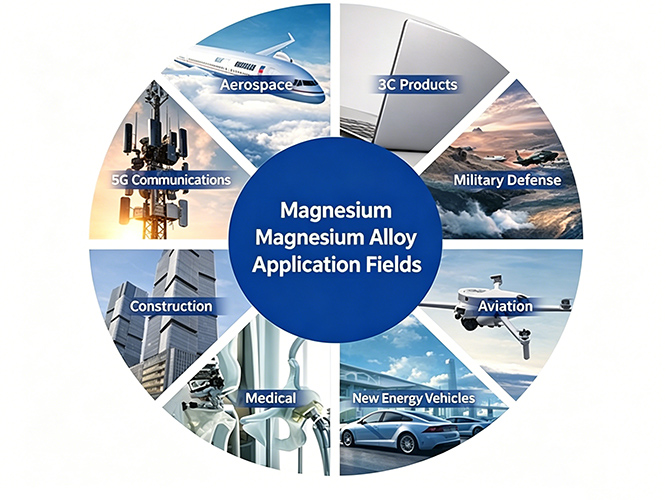
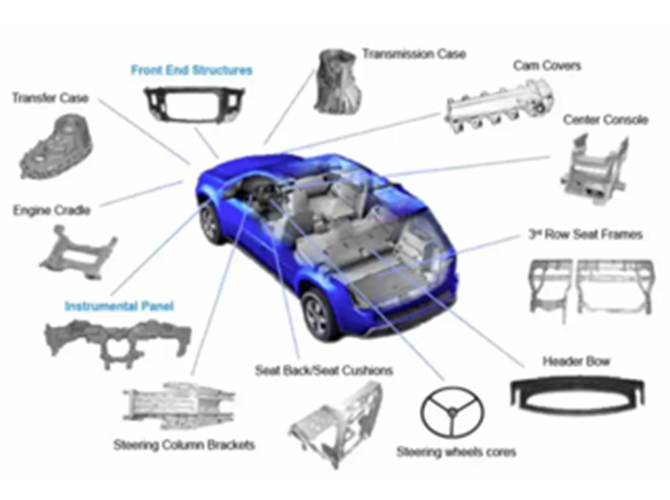
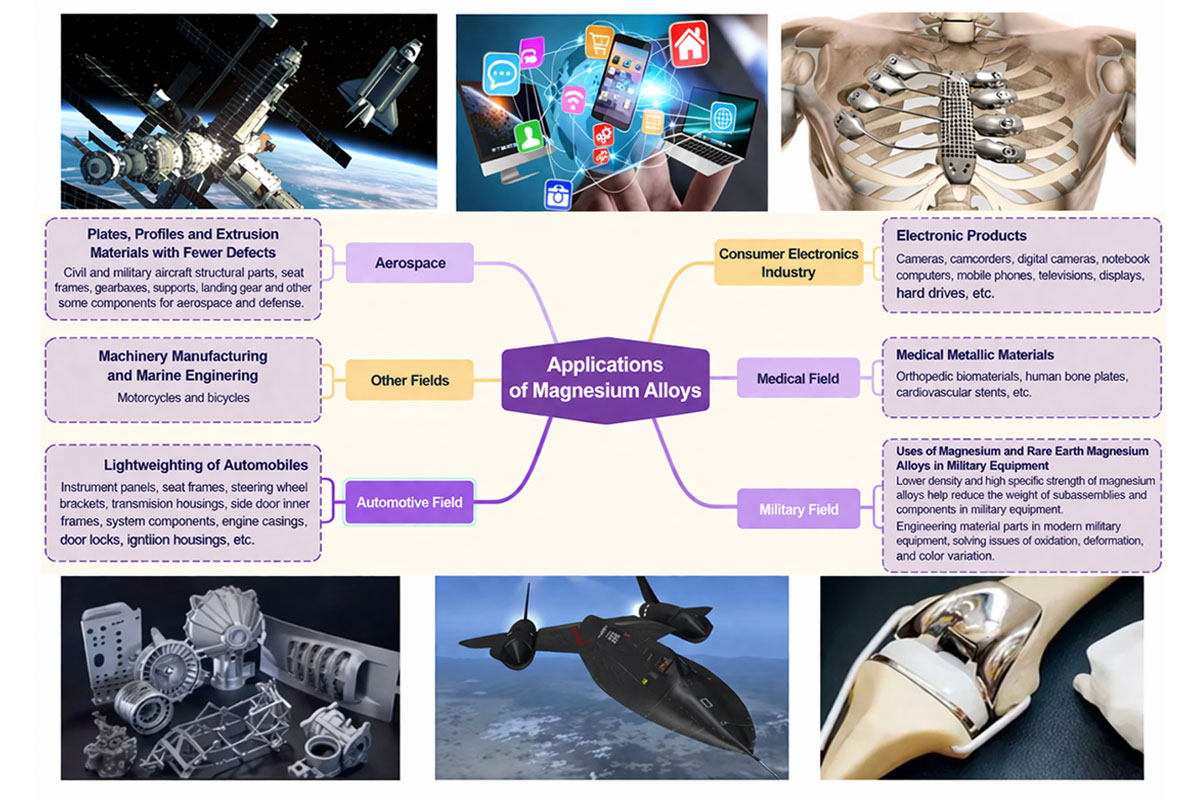
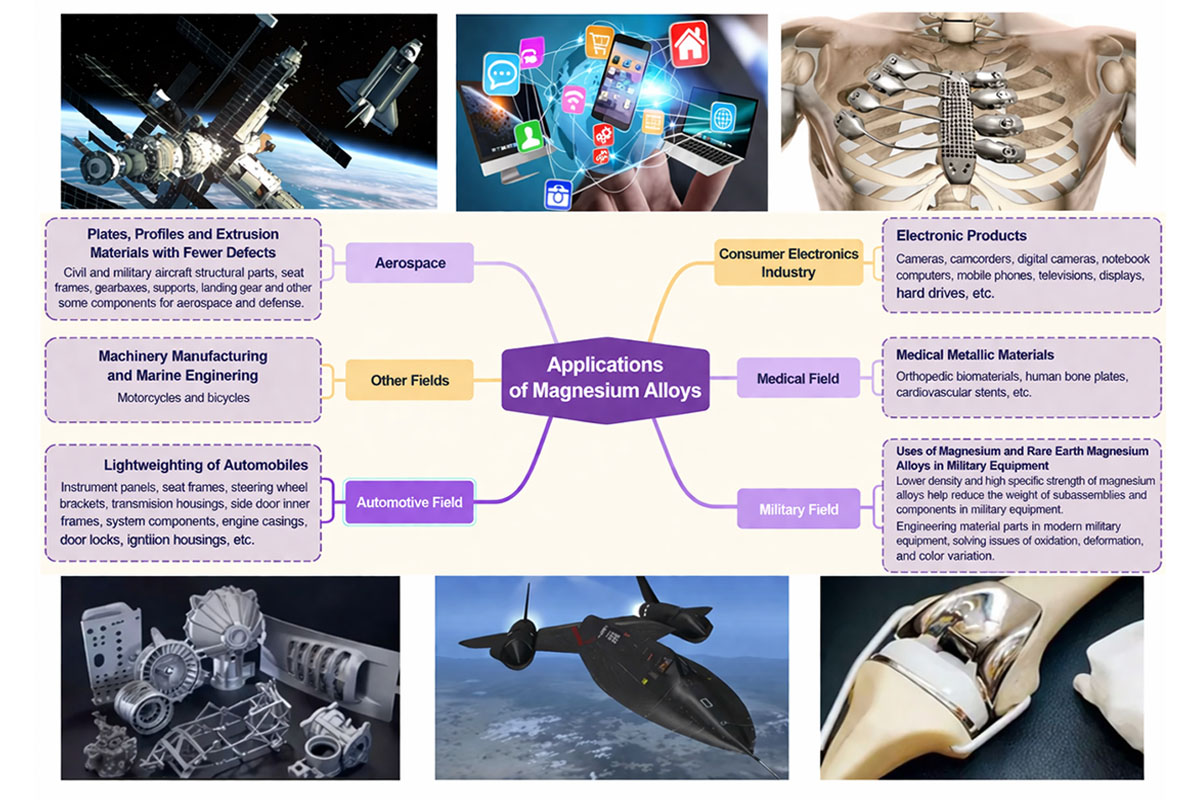
New Energy Vehicles: Magnesium alloys are widely used in the new energy vehicle industry to achieve lightweight design and improve overall vehicle efficiency. Typical applications include steering wheel frames, instrument panel brackets, seat frames, center console supports, anti-collision beams, engine brackets, inner door panels, roof frames, transmission housings, engine cylinder head covers, steering column brackets, pedal brackets, subframes, wheel hubs, battery pack housings, motor housings, and electronic control system housings. The use of magnesium alloys helps reduce vehicle weight, improve battery efficiency, and extend driving range while maintaining strong structural performance.
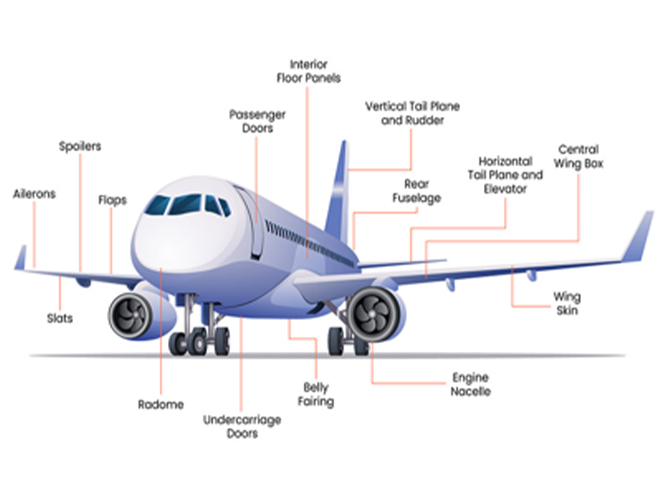
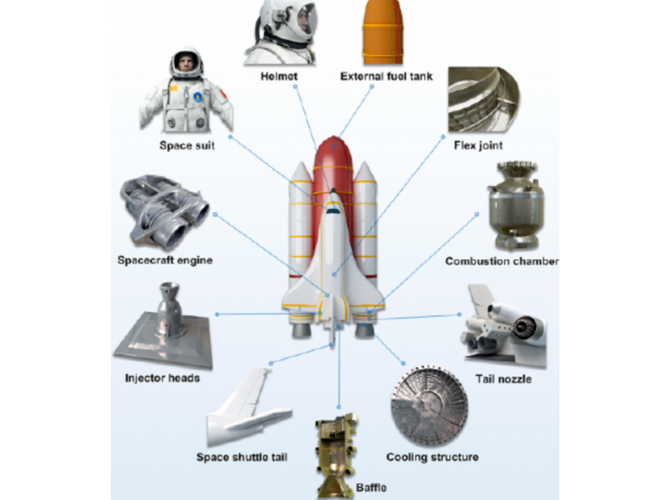
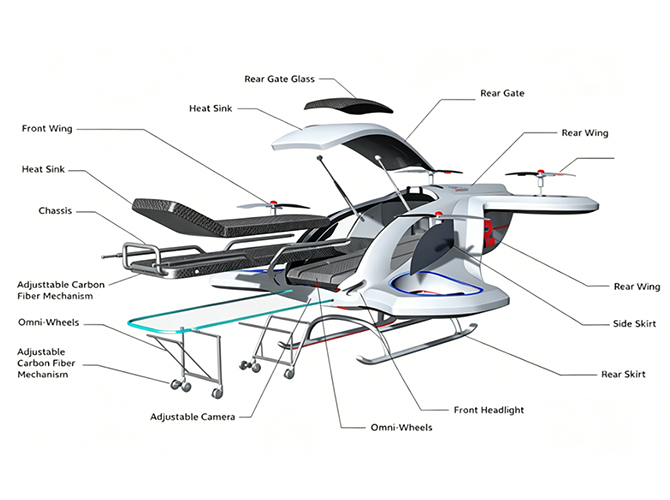
Aerospace and Aviation: Magnesium alloys are extensively used in aerospace structures due to their high strength-to-weight ratio. Aircraft structural components include fuselage frames, internal support structures for wings and tail sections, motor housings, propellers, control circuit board brackets, sensor housings, engine accessory casings, helicopter gearbox housings, and aircraft seats and interior components. These applications help reduce aircraft weight, improve flight efficiency, and increase endurance. In satellites, magnesium alloys are used for electronic equipment enclosures, structural brackets, camera and optical instrument supports, and antenna support structures, significantly reducing weight and increasing payload capacity.
Artificial Intelligence: With the rapid development of AI hardware and computing equipment, magnesium alloys are increasingly used in structural components for intelligent devices. Applications include AI server chassis, structural frames for computing equipment, intelligent device housings, and heat-dissipation components for high-performance processors. Their lightweight structure, excellent thermal conductivity, and good electromagnetic shielding properties make magnesium alloys ideal for high-density computing environments and advanced AI systems.
Military Equipment: Magnesium alloys are widely used in military applications due to their lightweight and high-strength properties. In rockets, they are used for instrument cabin brackets, cable brackets, non-critical internal support structures within fairings, and payload adapters, helping improve rocket payload capacity. Magnesium alloys are also used in missile structural components to reduce weight and enhance range and accuracy. In unmanned aerial vehicles (UAVs), magnesium alloys are used in fuselage frames, wings, and internal structural parts, improving endurance, maneuverability, and operational efficiency.
Medical: Magnesium alloys are gaining increasing attention in the medical field because of their excellent biocompatibility and biodegradable characteristics. They are used in orthopedic implants such as bone screws, bone plates, and fixation devices, as well as in cardiovascular stents and certain surgical instruments. In addition, magnesium alloys can be used in the structural components of medical devices and diagnostic equipment. Biodegradable magnesium implants can gradually dissolve in the human body after fulfilling their function, reducing the need for secondary surgery and improving patient recovery.
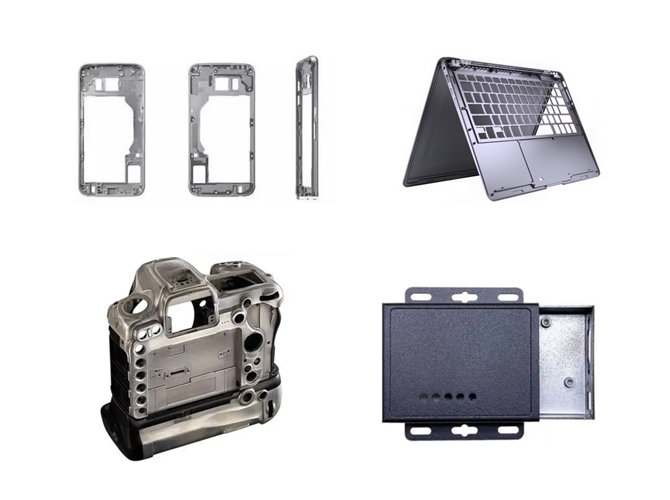
3C Products: Magnesium alloys are widely used in 3C consumer electronics, including computers, communication devices, and consumer electronics products. Typical applications include laptop and tablet casings, smartphone internal frames, camera bodies, wearable device housings, and VR or AR device frames. Magnesium alloy components provide lightweight, thin, and durable structures while offering excellent heat dissipation and electromagnetic interference shielding, which helps improve device performance and product durability.
5G and 6G Communication: In advanced communication infrastructure such as 5G and future 6G networks, magnesium alloys are used in base station housings, antenna brackets, communication module enclosures, and heat-dissipation structures. The lightweight nature of magnesium alloys helps reduce the load on communication towers, while their excellent thermal conductivity and electromagnetic shielding properties ensure stable operation of high-frequency communication equipment and improve overall system reliability.
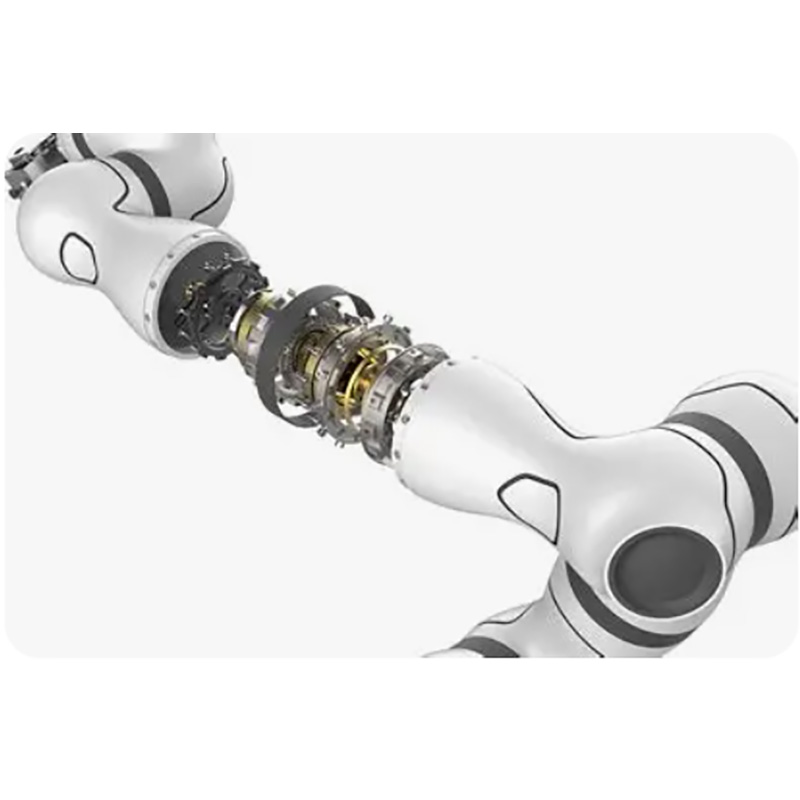
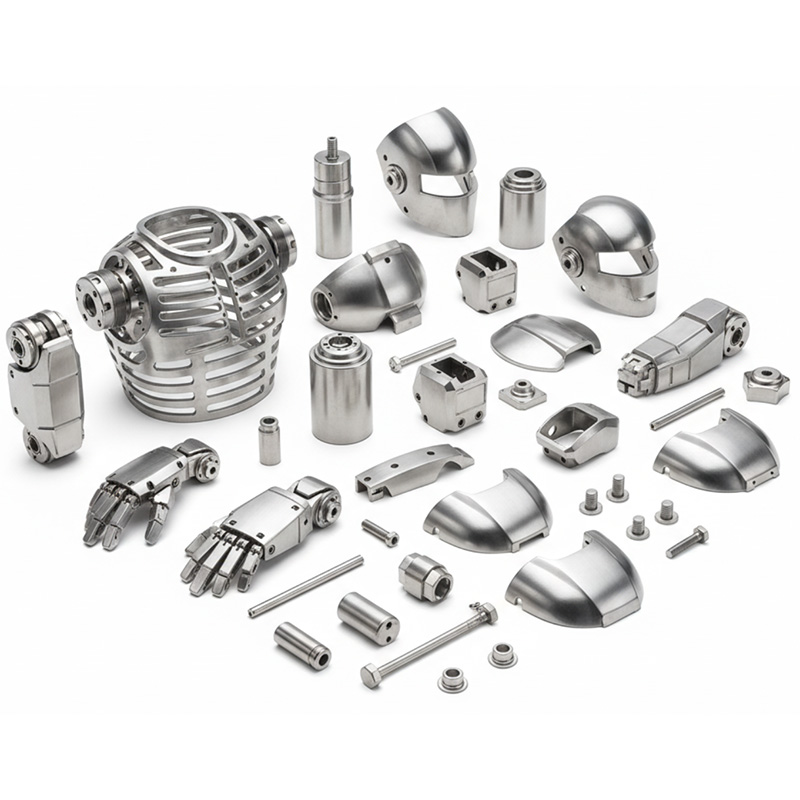
Humanoid Robots: Humanoid robots require lightweight yet strong structural materials to achieve efficient movement and long operational time. Magnesium alloys are used in robot frames, joint housings, actuator supports, and external structural components. Their low density and high rigidity help reduce the overall weight of robots, improve motion flexibility, and enhance energy efficiency, making them an ideal material for next-generation robotic systems.
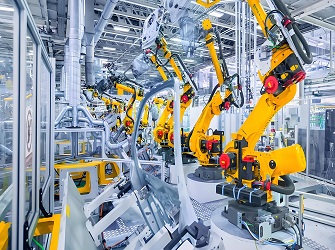
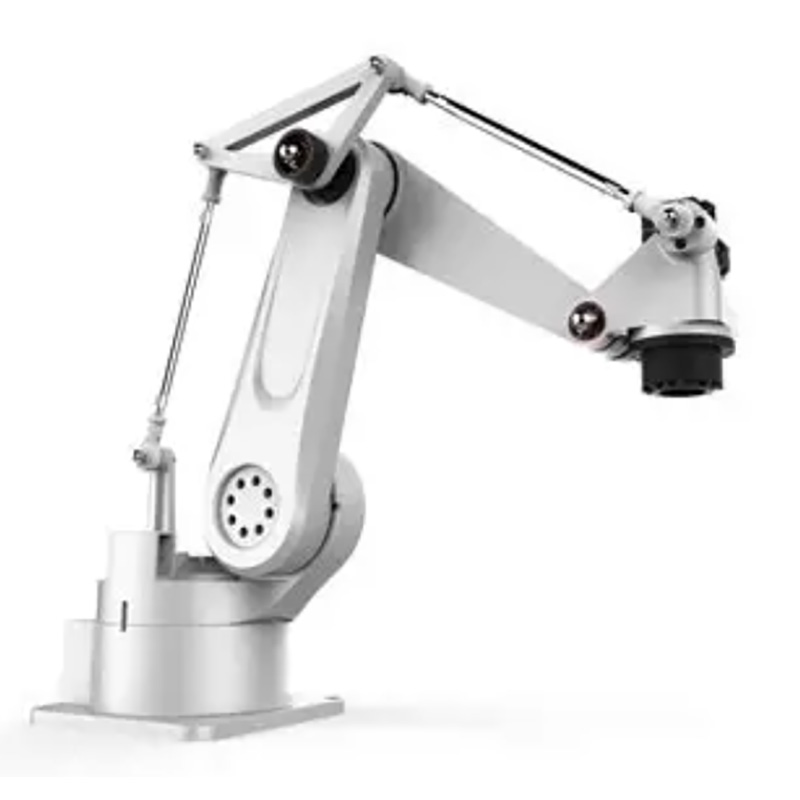
Automation: In industrial automation systems, magnesium alloys are used in machine frames, robotic arms, precision equipment housings, and automation components. Their lightweight and vibration-damping properties help improve equipment stability and precision while reducing mechanical load and energy consumption. This makes magnesium alloys suitable for high-speed automated production lines and advanced manufacturing equipment.

China is home to the world's top magnesium ore resources, with its primary magnesium production capacity accounting for over 90% of the global total. It boasts a complete industrial chain from smelting, alloying to precision processing. With advantages in cost, technology and scale, the supply of lightweight magnesium alloys is stable, meeting the export demands of high-end manufacturing sectors such as automobiles, aviation and electronics.
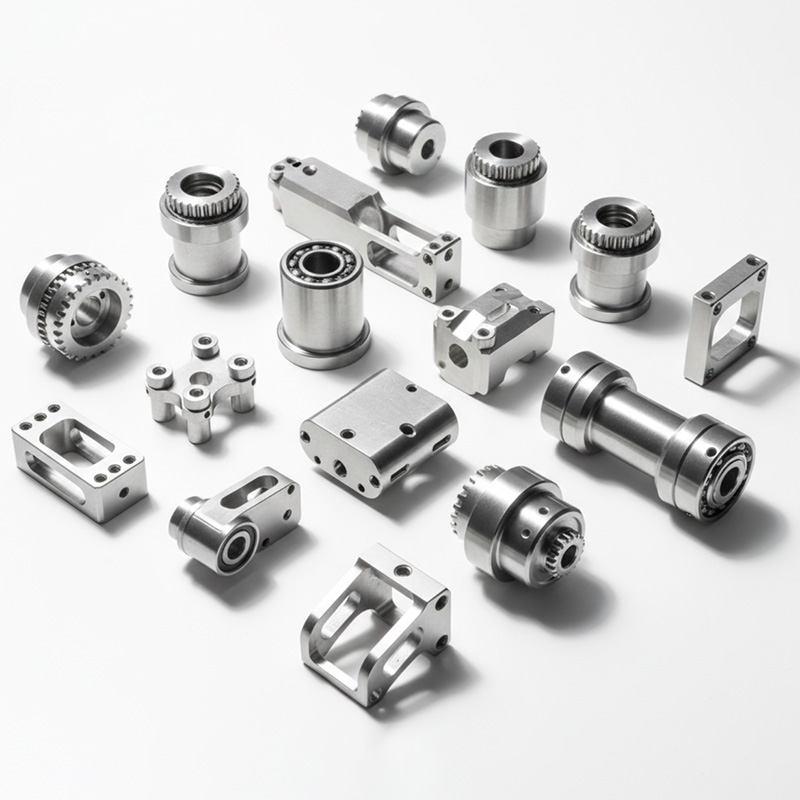
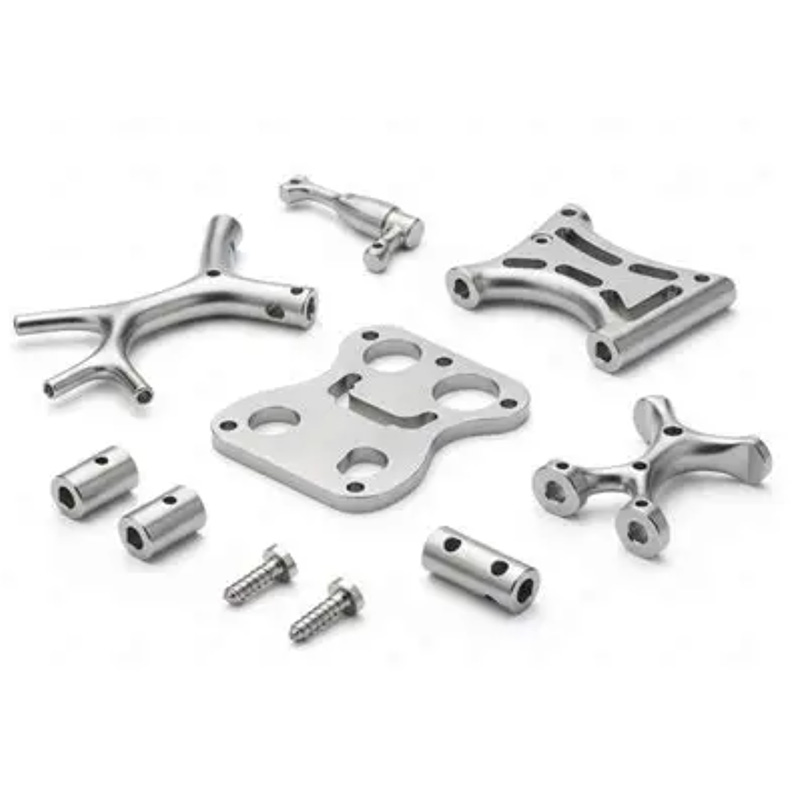
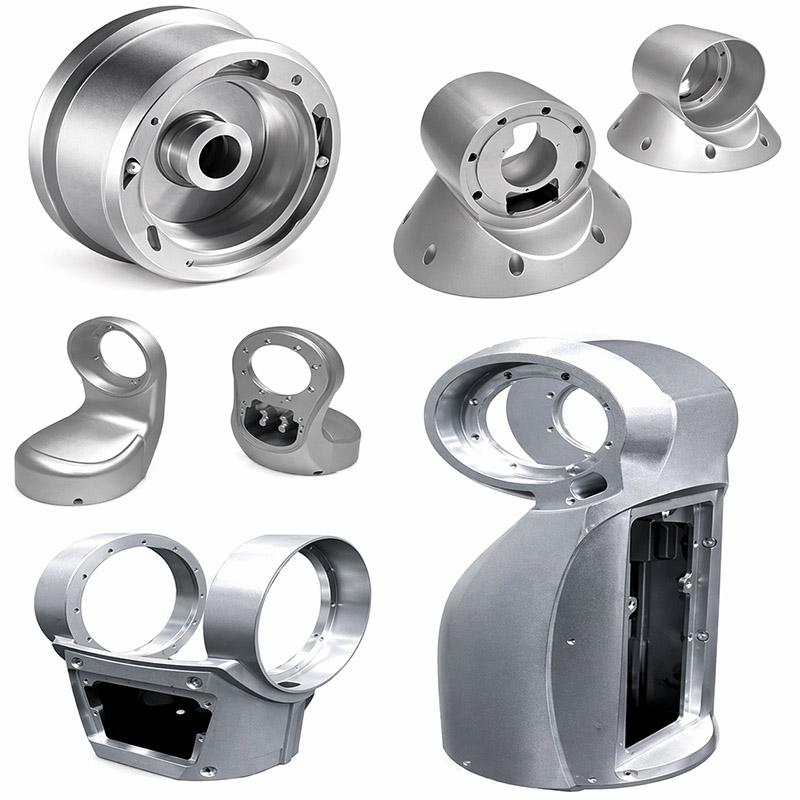
The magnesium alloy products of Huazheng Company have different solutions for various application scenarios in 3C products, medical fields, new energy vehicles, aerospace and military equipment, as well as robotics. The minimum wall thickness reaches 0.5 millimeters, the minimum end milling cutter size reaches 0.5 millimeters, and the minimum drilling size reaches 1 millimeter. As a professional manufacturer of magnesium alloy products, our products have a certain reputation in the industry.
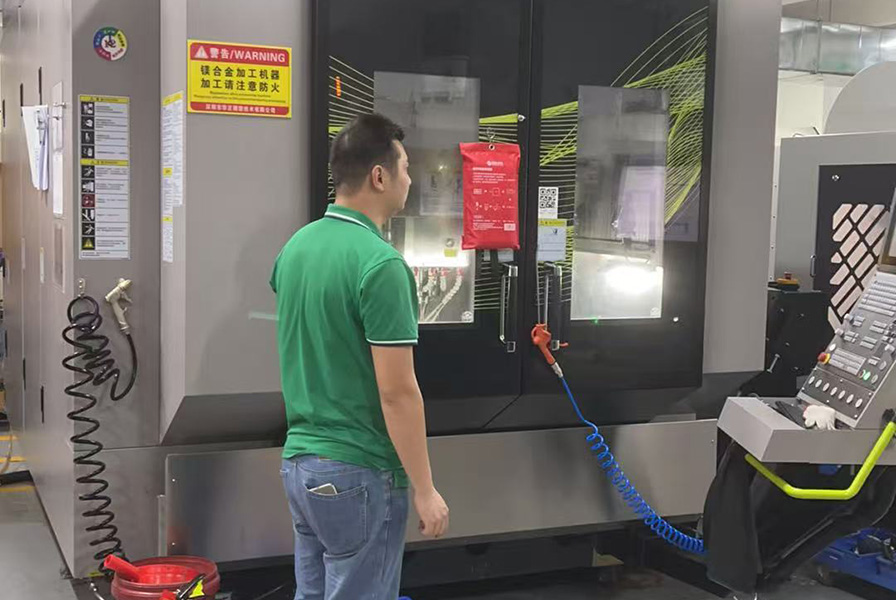
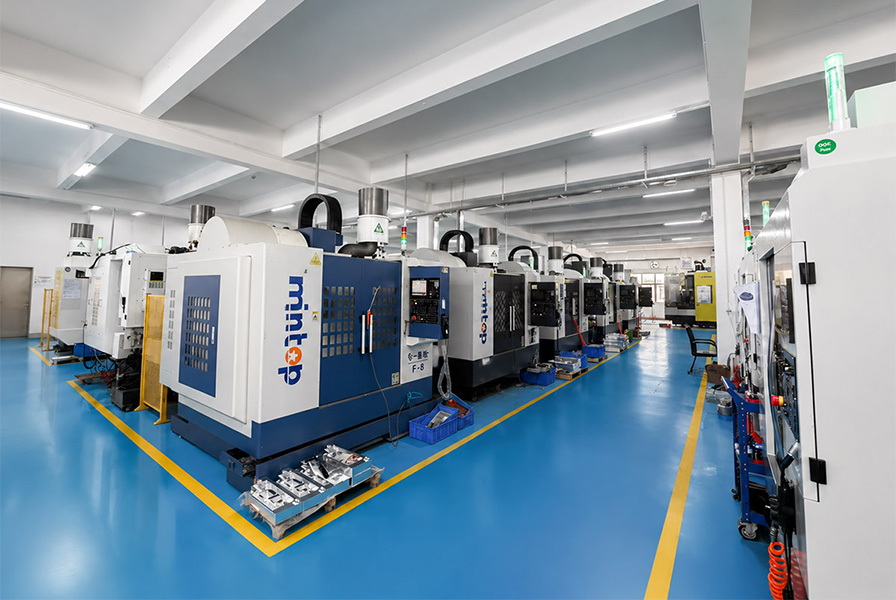
Equipped with 2 units, with a travel of 680 × 680 × 600 mm and a machining accuracy of up to 0.01 mm, suitable for high-complexity precision parts machining.
Equipped with 8 units, with a travel of 250 × 250 × 250 mm and a machining accuracy of up to 0.01 mm, ideal for high-precision machining of small and complex components.
Equipped with 6 units, with a travel of 800 × 600 × 550 mm and a machining accuracy of up to 0.01 mm, capable of meeting multi-face precision machining requirements.
Equipped with 6 units, with a travel of 500 × 400 × 300 mm and a machining accuracy of up to 0.01 mm, suitable for efficient machining of standard precision parts.
Equipped with 2 units, with a travel of 1500 × 600 × 350 mm and a machining accuracy of up to 0.02 mm, suitable for precision machining of large-sized workpieces.
Equipped with 10 units, with a travel of 700 × 400 × 400 mm and a machining accuracy of up to 0.02 mm, capable of supporting batch production of precision parts.
Equipped with 1 unit, with a travel of 1600 × 1400 × 800 mm and a machining accuracy of up to 0.02 mm, suitable for machining large workpieces and complex structural parts.
Equipped with 1 unit, with a working range of 600 × 600 × 400 mm and a processing accuracy of up to 0.01 mm, effectively improving surface finish and consistency of workpieces.
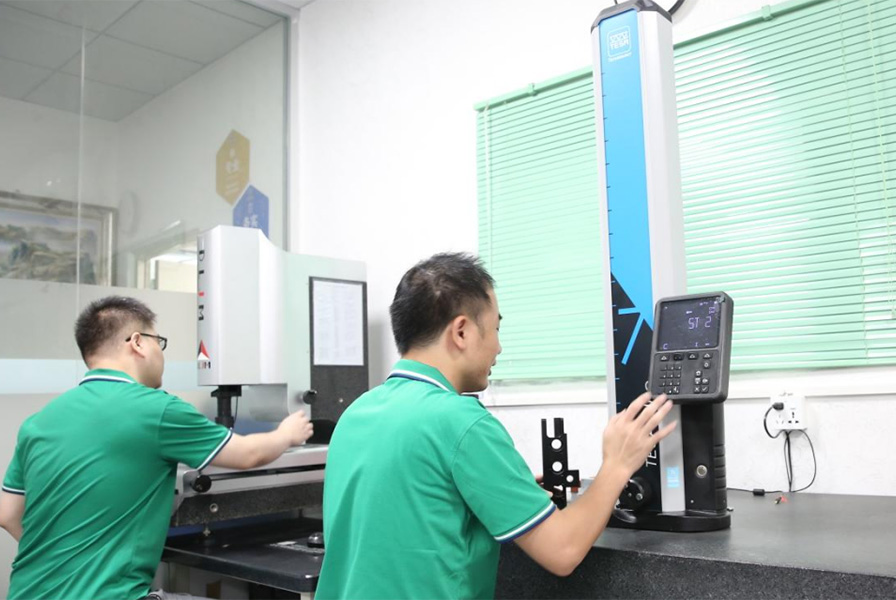
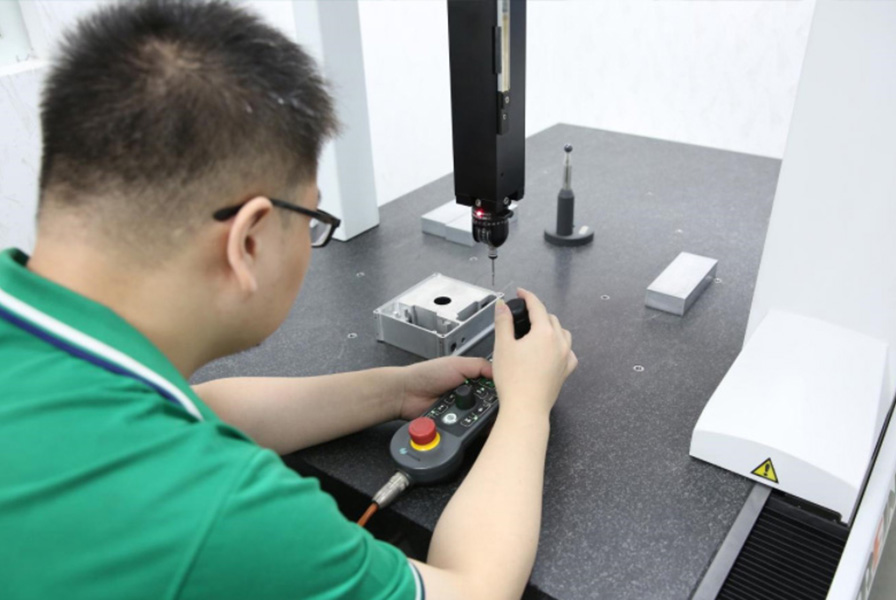
Equipped with 1 unit, with a measuring range of 600 × 800 × 600 mm and an inspection accuracy of up to 0.001 mm, capable of high-precision 3D dimensional inspection.
Equipped with 1 unit, with a measuring range of 400 × 300 × 200 mm and an inspection accuracy of up to 0.001 mm, suitable for precise profile and dimensional measurement.
Equipped with 1 unit, with a measuring range of 0–700 mm and an inspection accuracy of up to 0.001 mm, suitable for high-precision height and vertical dimension measurement.
Equipped with 1 unit, with a measuring range of 0.02–10 μm and a roughness accuracy of Ra 0.02 μm, capable of accurately evaluating surface quality.
Equipped with 1 unit, used for measuring coating thickness on product surfaces to ensure stable surface treatment quality.
Equipped with 1 unit, used for hardness testing of metallic materials to ensure compliance with material performance requirements.
Equipped with 1 unit, used for high-precision microhardness testing to meet material analysis requirements for precision parts.
Equipped with 3 units, with a measuring range of 0–200 mm and an inspection accuracy of up to 0.001 mm, suitable for rapid precision height measurement.
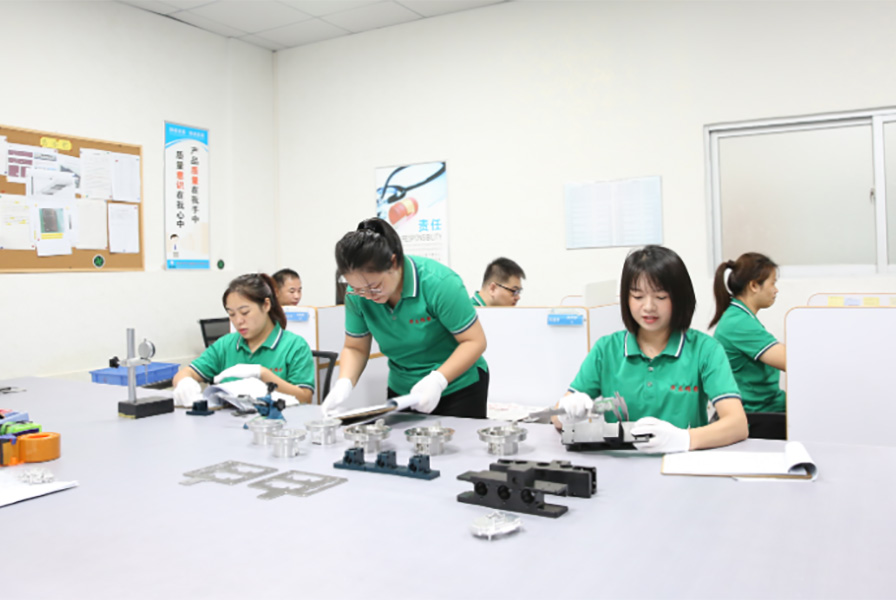
Equipped with 19 units, with a measuring range of 150–650 mm and an inspection accuracy of up to 0.005 mm, suitable for efficient daily dimensional inspection.
Equipped with 19 units, with a measuring range of 16–200 mm and an inspection accuracy of up to 0.005 mm, suitable for precise internal diameter measurement.
Equipped with 19 units, with a measuring range of 20–200 mm and an inspection accuracy of up to 0.005 mm, suitable for precise external diameter and thickness measurement.