



Material selection is one of the most important factors in CNC machining. Different metals offer different advantages in weight, strength, machinability, cost, and application performance.
Among common engineering materials, magnesium, zinc, aluminum, and titanium alloys are widely used for precision CNC parts. Aluminum alloys machining is currently the most popular choice because of its excellent balance between performance and cost. Titanium alloys machining provides outstanding strength and corrosion resistance, while Magnesium Machining is preferred for lightweight applications.
This guide compares the four alloys to help engineers choose the right material for CNC manufacturing.
Magnesium vs Zinc vs Aluminum vs Titanium Alloy Comparison
| Material | Density | Machining Performance | Main Advantages | Common Applications |
|---|---|---|---|---|
| Aluminum Alloy | 2.7 g/cm³ | Excellent | Lightweight, corrosion resistant, easy machining | Aerospace parts, electronics, automotive |
| Magnesium Alloy | 1.8 g/cm³ | Excellent | Extremely lightweight, high strength-to-weight ratio | Aircraft components, electronic housings |
| Titanium Alloy | 4.5 g/cm³ | Difficult | Highest strength, heat resistance, corrosion resistance | Aerospace, medical parts |
| Zinc Alloy | 6.7 g/cm³ | Good | Excellent casting performance, easy surface finishing | Hardware, precision casting parts |
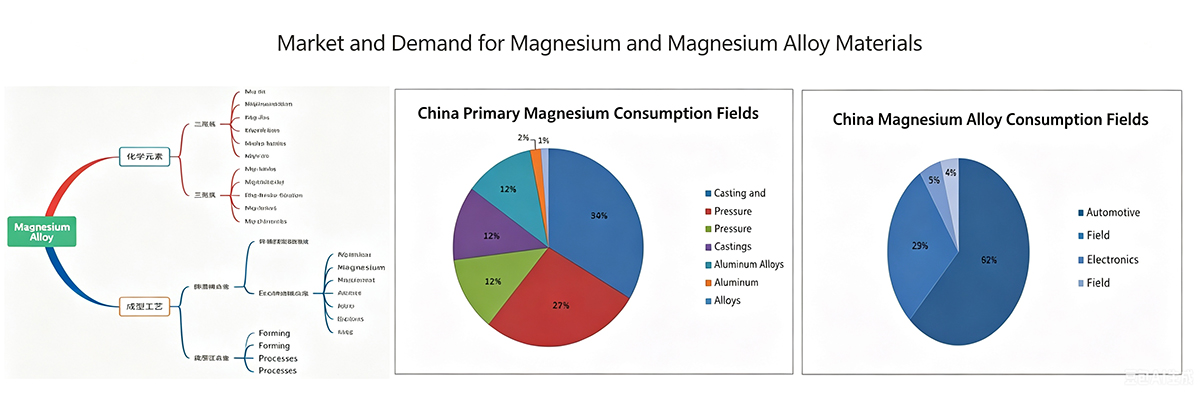
Aluminum Alloy CNC Machining: The Most Popular CNC Material
Aluminum is widely considered the best material for CNC machining because it provides excellent machinability, good mechanical properties, and competitive cost.
Aluminum for machining is commonly selected for prototypes, industrial components, aerospace structures, and consumer products.
Advantages of cnc aluminum alloy machining include:
High cutting speed
Low tool wear
Excellent dimensional stability
Good surface finishing performance
Excellent corrosion resistance
Among aluminum materials, 6061 aluminum machining and 7075 aluminum machining are two of the most commonly used options.
6061 Aluminum vs 7075 Aluminum Machining
6061 aluminum machining offers a good balance of strength, corrosion resistance, and cost. It is widely used for:
CNC brackets
Heat sinks
Automotive components
Industrial parts
7075 aluminum machining provides higher strength and is often used in aerospace and high-performance applications.
Compared with 6061 aluminum:
7075 has higher tensile strength
6061 has better corrosion resistance
6061 is easier to machine and more cost-effective
For general CNC manufacturing, 6061 aluminum is usually the best aluminum alloy for machining. For high-strength applications, 7075 aluminum is a better choice.
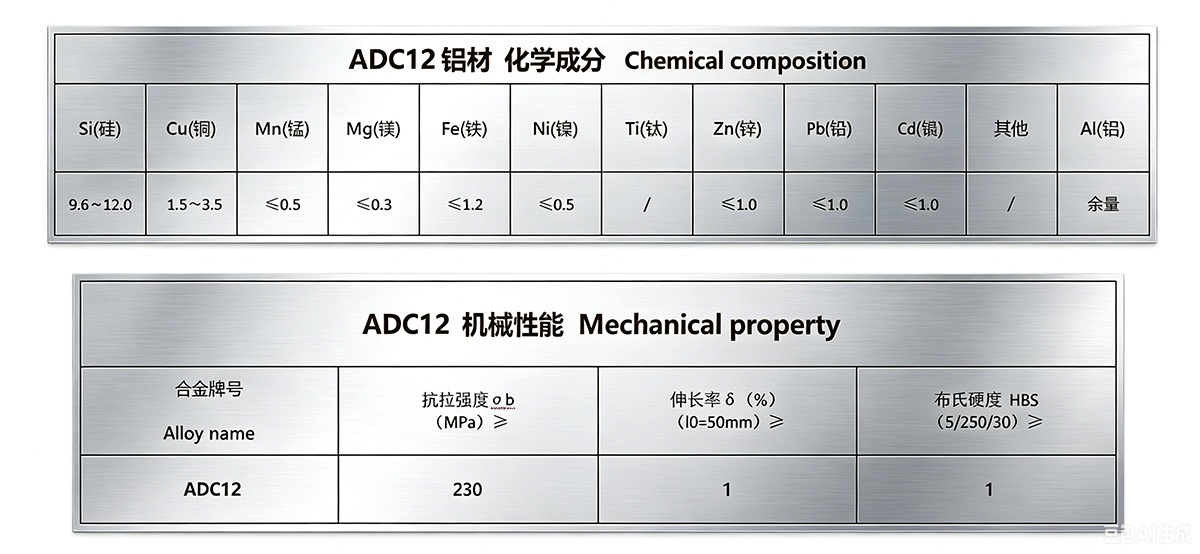
magnesium machining: Lightweight and High Performance
Magnesium is the lightest structural metal commonly used in manufacturing.
With a density of around 1.8 g/cm³, magnesium alloys are approximately 30% lighter than aluminum alloys.
The main advantages of magnesium machining include:
Excellent strength-to-weight ratio
Outstanding vibration absorption
Good thermal conductivity
Fast cutting performance
Low machining energy consumption
Magnesium is widely used in:
Aerospace lightweight structures
Automotive components
Laptop housings
Camera frames
However, magnesium chips are flammable during CNC processing. Professional machining methods and safety controls are required.
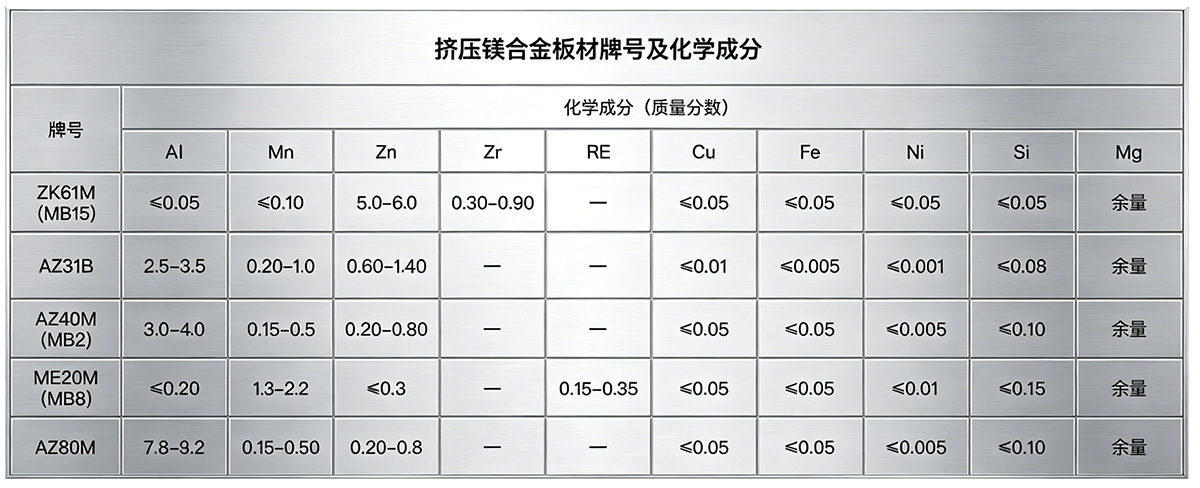
Titanium Alloy CNC Machining Characteristics
Titanium alloys provide the highest strength among these four materials.
The advantages of titanium include:
Extremely high strength-to-weight ratio
Excellent corrosion resistance
High temperature resistance
Excellent biocompatibility
However, titanium alloys machining is much more challenging than aluminum machining.
The main reasons include:
Low thermal conductivity
High cutting temperature
Strong chemical activity
Faster tool wear
Titanium is commonly used in:
Aerospace components
Medical implants
High-performance mechanical parts
Zinc Alloy: Better for Casting Than CNC Machining
Zinc alloy has the highest density among the four materials.
Its main advantages are:
Excellent casting performance
Low melting point
Good surface finishing
Ability to create complex shapes
Zinc alloy is mainly used for:
Hardware products
Decorative parts
Locks
Precision die-casting components
Although zinc can be CNC machined, large-scale CNC production is usually not recommended. Most zinc parts are manufactured through die casting.
How to Choose the Right CNC Material?
Choose Aluminum When:
You need cost-effective CNC machining
High machining efficiency is required
Good surface finishing is important
Choose Magnesium When:
Weight reduction is the priority
Lightweight structures are required
Choose Titanium When:
Maximum strength is required
High temperature and corrosion resistance are important
Choose Zinc When:
Complex casting shapes are needed
Surface appearance is important
Magnesium, zinc, aluminum, and titanium alloys each have unique advantages in CNC manufacturing.
For most CNC applications, aluminum alloys remain the preferred choice because of their excellent machinability and cost performance. Magnesium is ideal for lightweight designs, titanium is suitable for extreme performance applications, and zinc is mainly used for precision casting.
Choosing the right material depends on the balance between strength, weight, machining difficulty, and budget.
Why Choose Huazheng Model?
At Huazheng Model, we specialize in precision CNC machining solutions for a wide range of engineering metals, including magnesium, aluminum, titanium, stainless steel, copper, brass, and engineering plastics.
Our manufacturing capabilities include:
CNC Milling
CNC Turning
3-Axis, 4-Axis, and 5-Axis Machining
Prototype Manufacturing
Low-Volume Production
High-Volume CNC Production
Precision Inspection
Surface Finishing
Assembly Services
Unlike standard machining suppliers, we optimize every machining process according to material characteristics, cutting parameters, cooling strategy, and production requirements.
At Huazheng Model, we provide one-stop CNC machining solutions tailored to your project requirements. Whether you need titanium CNC machining, aluminum alloys machining, magnesium machining, custom prototypes, or production-grade precision components, our experienced engineering team is committed to delivering high-quality parts with fast turnaround and competitive pricing.
Contact Huazheng Model today to discuss your next CNC machining project and discover the best material solution for your application.


