


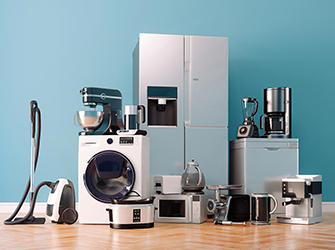
Electrical appliances
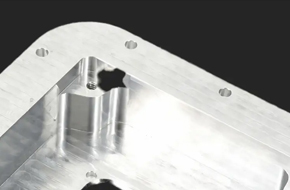
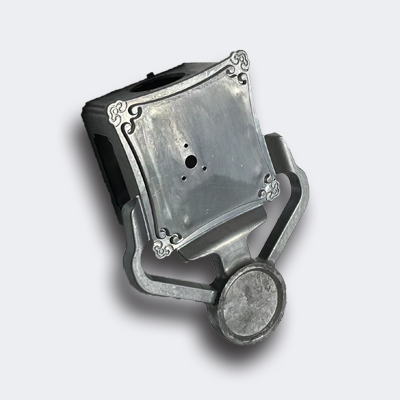
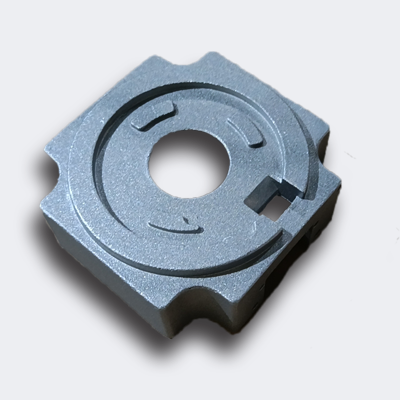
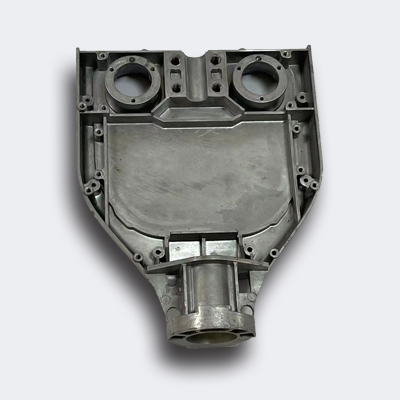
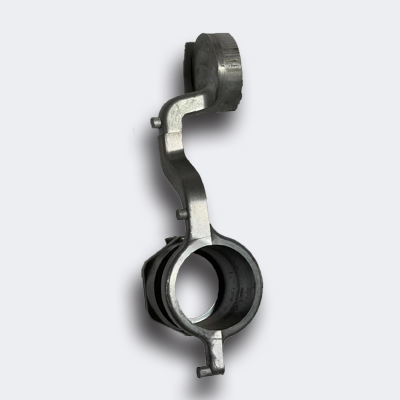
Our die casting services are capable of producing highly accurate and complex metal parts for highly engineered components in electronic devices such as electronics housings, connectors and heat sinks.
CNC Machining Services
Custom Injection Molding Services
Custom Sheet Metal Fabrication Services
Metal Mold Services
ISO 9001:2015, ISO 13485, IATF 16949:2016 Certified
Uploadyour design fles forinstant pricing, free DFM analysis.


Support formats: PDF, Word, Excel, Txt, JPG, PNG, BMP, GIF, RAR, ZIP, It is recommended to upload up to 5, and the single size must not exceed 20M.
Aluminum alloys are known for being lightweight, having corrosion resistance, excellent thermal conductivity, and strengths (vary on alloying elements). They are highly machinable and offer high production speed.
✓ Grades: 2007, 2017A, 5083, 6060, 6061, 6082, 7075, etc.
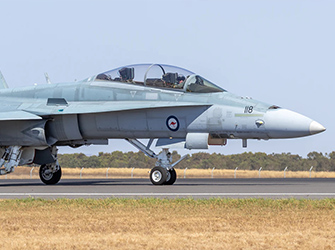
✓Applications: Aerospace components, automotive parts, sheet metal products,structural parts.
Aluminum alloys are known for being lightweight, having corrosion resistance, excellent thermal conductivity, and strengths (vary on alloying elements). They are highly machinable and offer high production speed.
✓ Grades: 2007, 2017A, 5083, 6060, 6061, 6082, 7075, etc.
✓Applications: Aerospace components, automotive parts, sheet metal products,structural parts.
Aluminum alloys are known for being lightweight, having corrosion resistance, excellent thermal conductivity, and strengths (vary on alloying elements). They are highly machinable and offer high production speed.
✓ Grades: 2007, 2017A, 5083, 6060, 6061, 6082, 7075, etc.
✓Applications: Aerospace components, automotive parts, sheet metal products,structural parts.
The main principle behind CNC machining is that computer-controlled machining tools bring the highest precision andrepeatability, lt starts with creating and converting a CADdrawing into CNC machine-readable instructions (G-code). Then. CNC machine controls their movements and operationswith these digital instructions. The CNC machine operates on multiple axes, from 3-axis (X, Y,and Z) to more advanced 5-axis machines. They can perform avariety of operations, including milling, drilling, turning, andgrinding, depending on the machine's capabilities.
The main principle behind CNC machining is that computer-controlled machining tools bring the highest precision andrepeatability, lt starts with creating and converting a CADdrawing into CNC machine-readable instructions (G-code). Then. CNC machine controls their movements and operationswith these digital instructions. The CNC machine operates on multiple axes, from 3-axis (X, Y,and Z) to more advanced 5-axis machines. They can perform avariety of operations, including milling, drilling, turning, andgrinding, depending on the machine's capabilities.
Metals : ISO 2768-m
Plastics : ISO 2768-c
Metals : ISO 2768-m
Plastics : ISO 2768-c
Metals : ISO 2768-m
Plastics : ISO 2768-c
Metals : ISO 2768-m
Plastics : ISO 2768-c
Metals : ISO 2768-m
Plastics : ISO 2768-c
Metals : ISO 2768-m
Plastics : ISO 2768-c
Metals : ISO 2768-m
Plastics : ISO 2768-c
Metals : ISO 2768-m
Plastics : ISO 2768-c
Metals : ISO 2768-m
Plastics : ISO 2768-c
Metals : ISO 2768-m
Plastics : ISO 2768-c
Metals : ISO 2768-m
Plastics : ISO 2768-c
Metals : ISO 2768-m
Plastics : ISO 2768-c
Metals : ISO 2768-m
Plastics : ISO 2768-c
Metals : ISO 2768-m
Plastics : ISO 2768-c
Metals : ISO 2768-m
Plastics : ISO 2768-c
Metals : ISO 2768-m
Plastics : ISO 2768-c
Metals : ISO 2768-m
Plastics : ISO 2768-c
Metals : ISO 2768-m
Plastics : ISO 2768-c
Metals : ISO 2768-m
Plastics : ISO 2768-c
Metals : ISO 2768-m
Plastics : ISO 2768-c
Metals : ISO 2768-m
Plastics : ISO 2768-c
Metals : ISO 2768-m
Plastics : ISO 2768-c
Metals : ISO 2768-m
Plastics : ISO 2768-c
Metals : ISO 2768-m
Plastics : ISO 2768-c
Metals : ISO 2768-m
Plastics : ISO 2768-c
Metals : ISO 2768-m
Plastics : ISO 2768-c
Metals : ISO 2768-m
Plastics : ISO 2768-c
Metals : ISO 2768-m
Plastics : ISO 2768-c
Metals : ISO 2768-m
Plastics : ISO 2768-c
Metals : ISO 2768-m
Plastics : ISO 2768-c
Metals : ISO 2768-m
Plastics : ISO 2768-c
Metals : ISO 2768-m
Plastics : ISO 2768-c
>
Metals : ISO 2768-m
Plastics : ISO 2768-c
Metals : ISO 2768-m
Plastics : ISO 2768-c
Metals : ISO 2768-m
Plastics : ISO 2768-c
Metals : ISO 2768-m
Plastics : ISO 2768-c


+86 13421341931
Building 4, Wanfeng Dazhonggang Industrial Zone, Shajing Town, Bao'an District, Shenzhen, China


Copyright © 2026 Shenzhen Tengyi Technology Co., Ltd All rights reserved.
Privacy Policy Cookie Policy Terms and Conditions
