



In the CNC machining industry, the performance of metal parts does not depend only on machining accuracy. The final step—surface treatment for CNC Machined Parts—plays a critical role in determining corrosion resistance, wear resistance, appearance, and service life.
Without proper protection, precision-machined metal components can easily suffer from rust, oxidation, and wear. That is why zinc plating, nickel plating, and chrome plating are the most widely used metal surface finishing processes in CNC machining applications.
1. Zinc Plating: The Most Common Anti-Rust Solution for CNC Machined Parts
Zinc plating is widely used for standard CNC machined components, fasteners, and outdoor metal parts. Its core principle is sacrificial anodic protection.
Zinc is more chemically active than iron. When the coating is damaged and the steel substrate is exposed, a galvanic cell is formed. Zinc preferentially corrodes, protecting the underlying steel from rusting.
This is why zinc coating for CNC parts is one of the most cost-effective anti-corrosion solutions.
Types of zinc plating used in CNC machining:
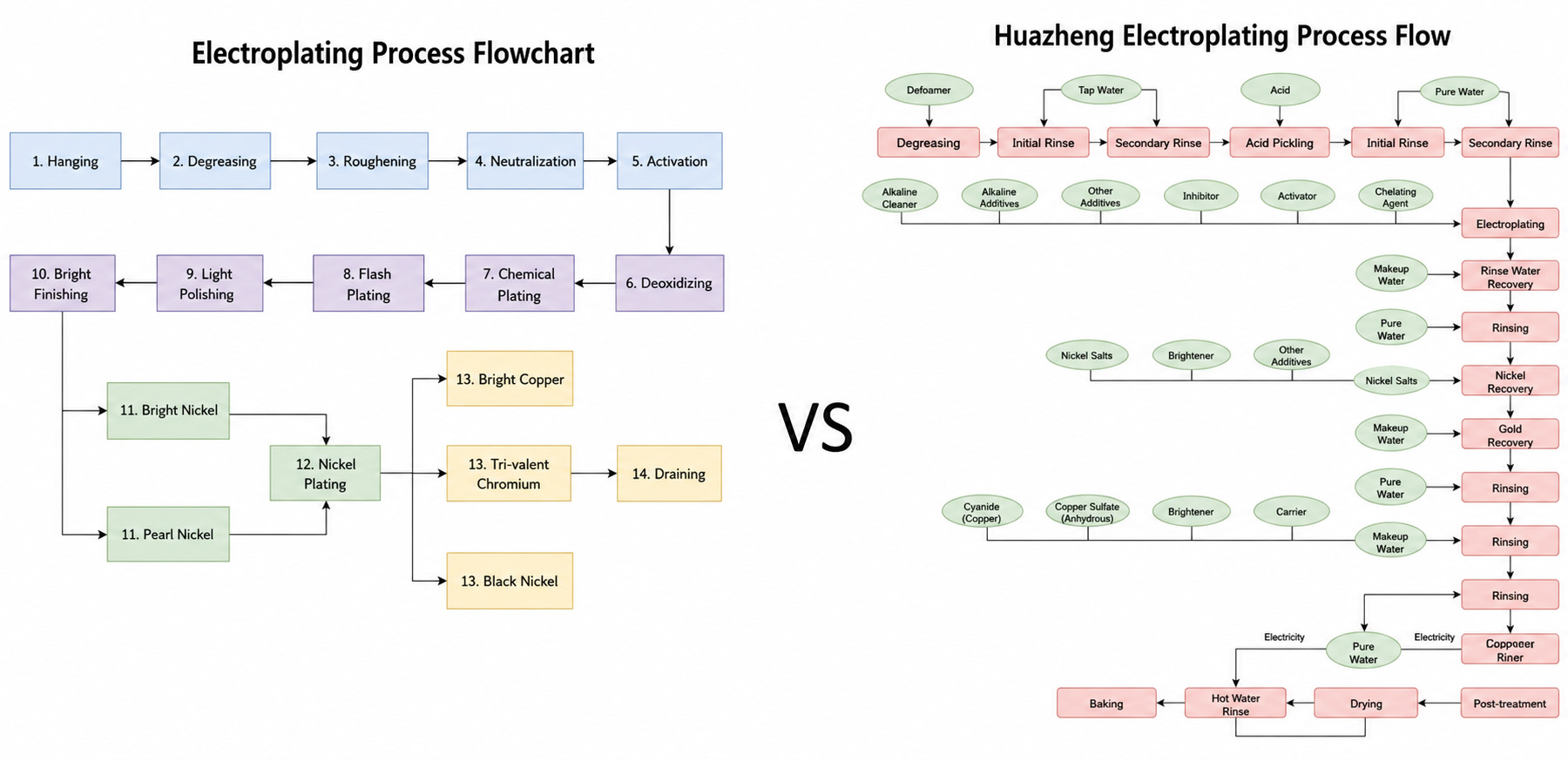
1. Electro Zinc Plating (Electroplating Zinc)
Deposited through an electric current in an electrolyte bath
Thin coating: around 5–25 μm
Smooth and bright silver-white appearance
Common for precision CNC machined parts such as screws, brackets, and small mechanical components
2. Hot-Dip Galvanizing (HDG)
Parts are immersed in molten zinc
Thick coating: 45–200 μm or more
Gray surface with zinc crystallization patterns
Excellent corrosion resistance for outdoor steel structures and heavy-duty CNC fabricated parts
After galvanizing, passivation treatment (chromate conversion coating) is usually applied to improve corrosion resistance. This process creates blue-white, yellow, or black finishes commonly seen on zinc-plated fasteners.
In CNC machining applications, zinc plating is mainly used for:
Cost-effective rust protection
Mass-produced standard mechanical parts
Outdoor structural components
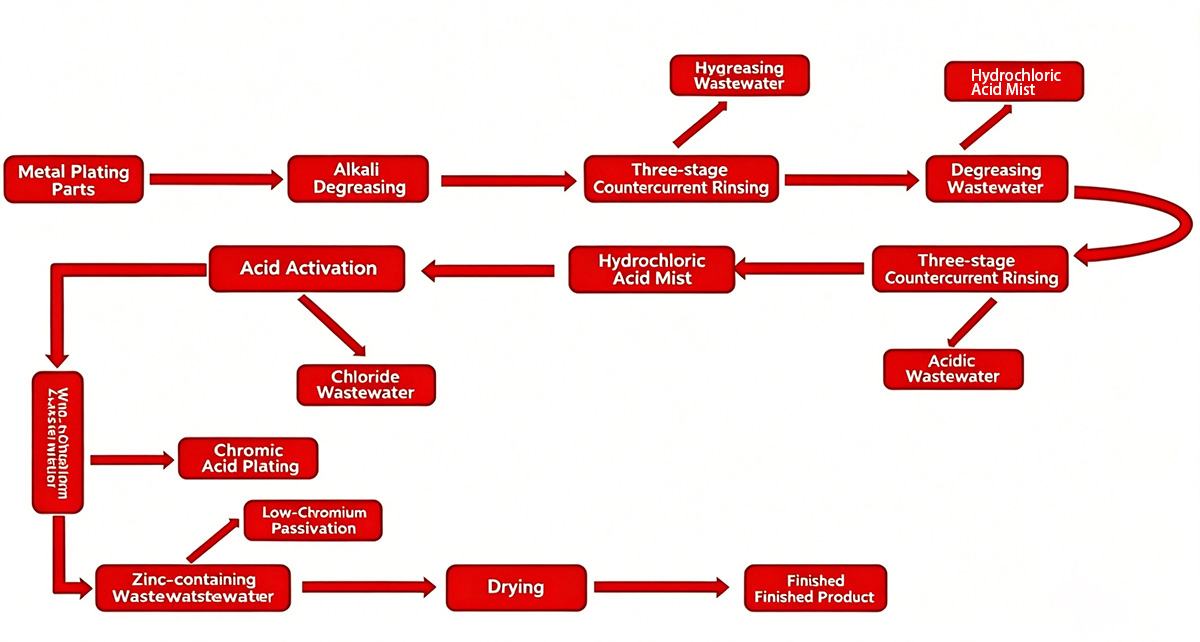
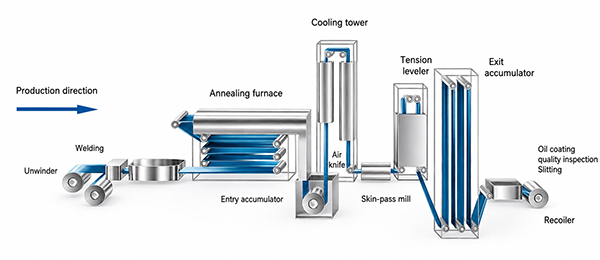
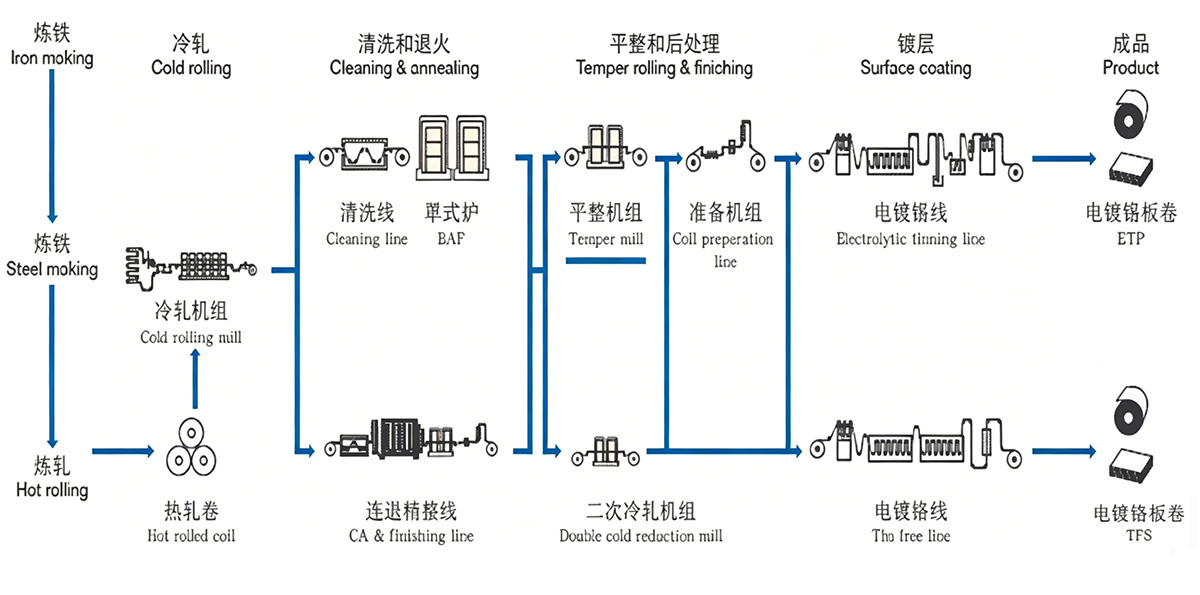
Hot-dip galvanizing, commonly used in the production of steel coils, tinplate, and galvanized Sheet Metal:
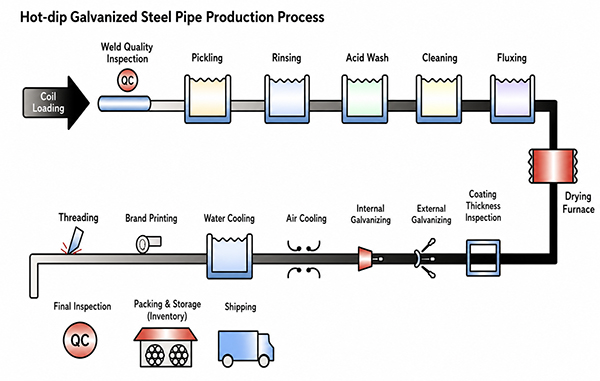
Q235B Steel Pipe with Anti-Corrosion Galvanized Coating
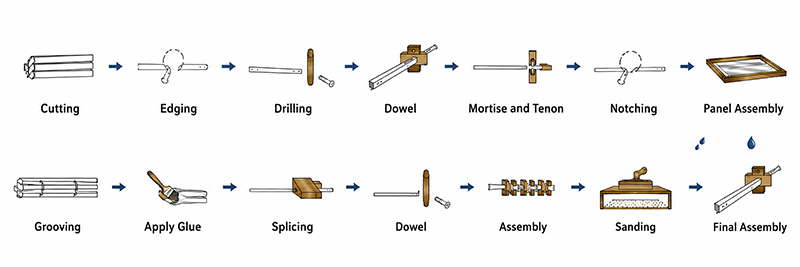
2. Nickel Plating: High-Performance Surface Finishing for Precision CNC Parts
Nickel plating in CNC machining is widely used for precision components, electronic parts, valve bodies, and high-quality mechanical assemblies.
Nickel naturally forms a passive oxide layer in air, providing good corrosion resistance. However, nickel is a cathodic coating, meaning that if pores or defects exist, the exposed steel can corrode faster due to galvanic effects. Therefore, dense and pore-free nickel coatings are critical.
Main types of nickel plating used in CNC parts:
1. Matte / Semi-Bright Nickel
Low internal stress and good ductility
Often used as a base layer in multi-layer nickel systems
2. Bright Nickel
Mirror-like decorative finish
High hardness but slightly lower corrosion resistance
Common for decorative CNC machined components
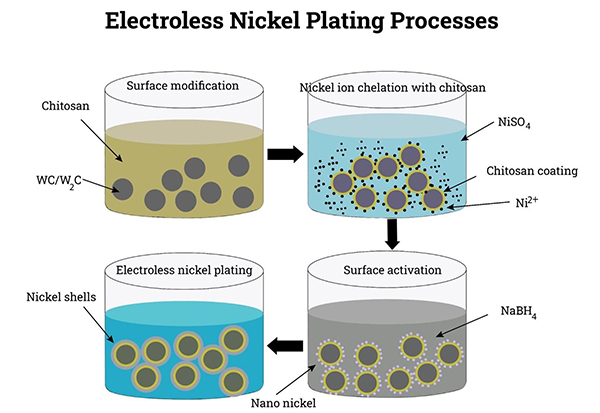
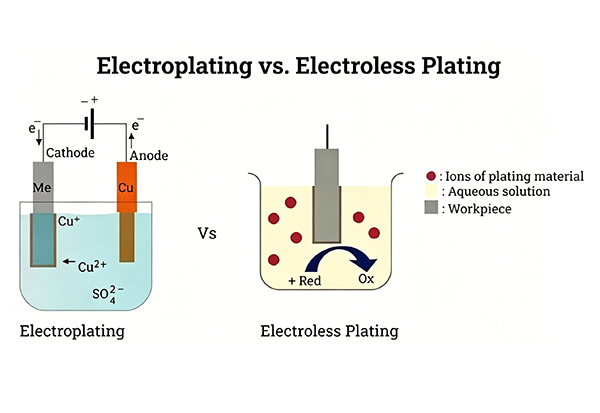
3. Electroless Nickel Plating (ENP / Chemical Nickel)
No external current required
Nickel-phosphorus alloy coating
Extremely uniform thickness, even on complex internal geometries
High hardness, excellent wear resistance, and good solderability
Because of these properties, electroless nickel plating for CNC machined parts is widely used in:
Valve components
Mold tooling
Precision connectors
Hydraulic system parts
In high-end applications, nickel plating also acts as a base layer for gold plating in electronics, improving conductivity and oxidation resistance.
3. Chrome Plating: Decorative and Functional Surface Coating in CNC Manufacturing
In CNC machining, chrome plating is divided into two completely different categories: decorative chrome plating and hard chrome plating.
1. Decorative Chrome Plating
Decorative chrome is extremely thin (about 0.25–0.5 μm) and is always applied over a nickel layer. Its main function is not corrosion protection but appearance and surface enhancement.
Key features:
Bright blue-white metallic finish
Excellent oxidation resistance (does not discolor)
High surface hardness and scratch resistance
Micro-cracked structure that helps distribute corrosion over the nickel layer
In CNC machined decorative parts, such as:
Automotive trim parts
Furniture hardware
Plumbing fixtures
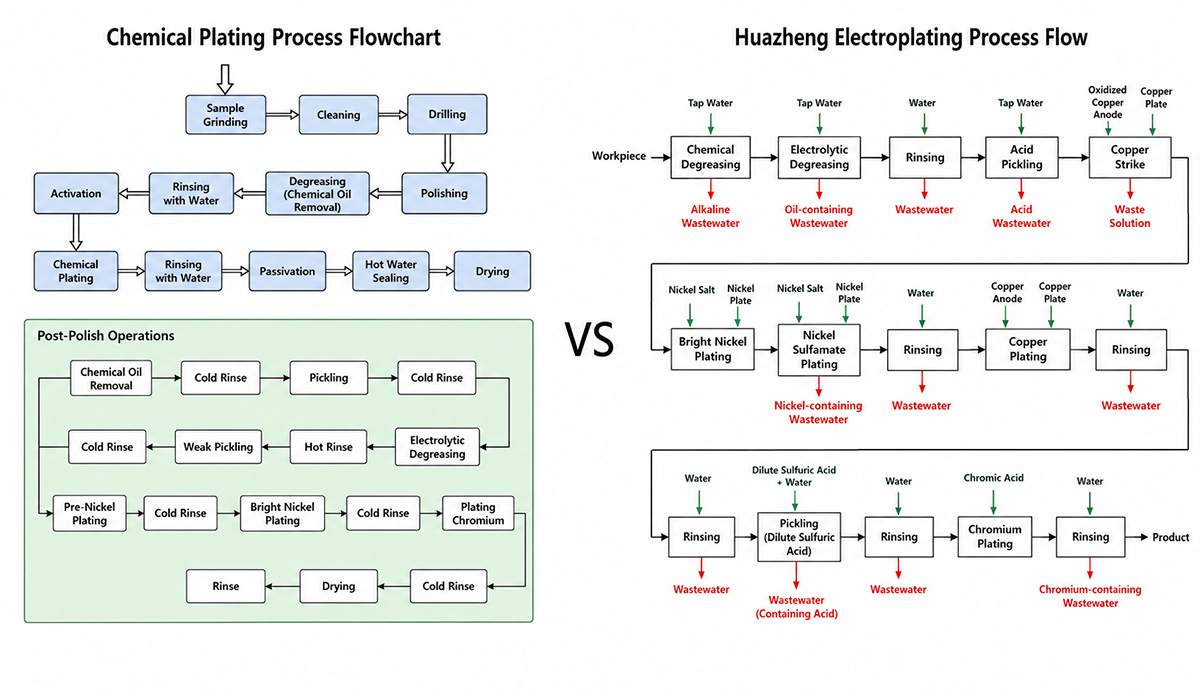
the typical structure is a nickel-chrome plating system (Ni-Cr coating system).
Modern trivalent chrome plating (Cr3+) is more environmentally friendly compared to traditional hexavalent chrome (Cr6+), and provides a stainless-steel-like appearance.
2. Hard Chrome Plating (Engineering Chrome)
Hard chrome is a functional coating used for industrial CNC machined components.
Thickness: 10–800 μm
Hardness: HV800–1000
Very low friction coefficient
Excellent wear and abrasion resistance
It is directly applied on steel substrates and is widely used in:
Hydraulic piston rods
Rollers
Engine components
Mold repair and refurbishment
Unlike decorative chrome, hard chrome is a functional wear-resistant coating for CNC machined industrial parts, not an aesthetic finish.
4. How to Choose Surface Treatment in CNC Machining?
In practical CNC machining projects, selecting the right metal finishing process depends on performance requirements:
Low cost + basic rust protection → Zinc plating for CNC parts
Precision + corrosion resistance → Nickel plating (especially electroless nickel)
High wear resistance or decorative appearance → Chrome plating (Ni-Cr system)
Environmental conditions also matter:
Outdoor structures → Hot-dip galvanized CNC components
Precision electronics → Electroless nickel plating
Sliding or high-friction parts → Hard chrome coating
Surface Finishing Is Essential in CNC Machining Industry
In modern CNC machining manufacturing, surface treatment is no longer a secondary process—it is an essential part of product design.
Zinc plating provides cost-effective corrosion protection
Nickel plating ensures precision, stability, and corrosion resistance
Chrome plating delivers wear resistance and premium appearance
A well-designed CNC machined part is not just about machining accuracy, but also about the right combination of material, precision engineering, and professional metal surface finishing solutions.
For export-grade CNC machined components, choosing the correct surface treatment often has a greater impact on product competitiveness than improving machining tolerance alone.


