



Magnesium alloys are widely used in aerospace, automotive, 3C electronics, and lightweight structural components due to their low density, high strength-to-weight ratio, and excellent machinability. However, successful Magnesium Alloy Machining requires strict control of heat treatment, cutting parameters, and stress relief processes to avoid deformation, burr formation, and surface oxidation.
This article explains the Magnesium Alloy Machining process, including heat treatment grades, stress relief annealing, and optimized CNC machining parameters for different alloys.
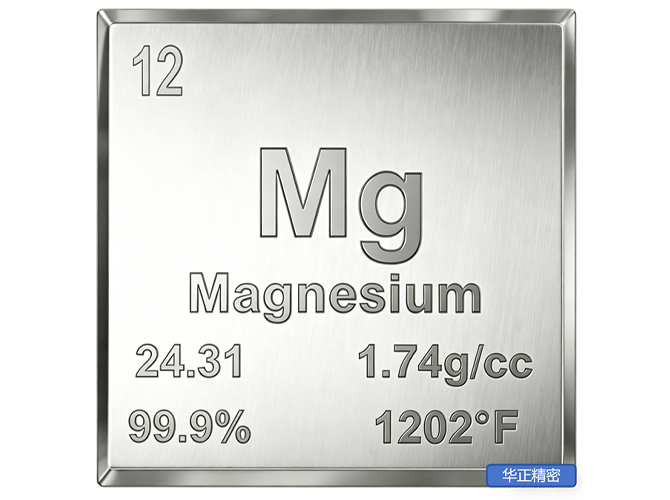
What is magnesium alloy machining?
Magnesium Machining is considered one of the most efficient metal cutting processes because magnesium has low cutting resistance. Compared with aluminum and steel, it allows:
Higher cutting speed
Lower tool wear
Better surface finish potential
However, magnesium CNC machining must carefully manage chip ignition risk, thermal buildup, and dimensional stability.
Key processes include:
Rough milling
Finish milling
Stress relief annealing
Precision CNC turning and milling
Magnesium Alloy Machining Process and Heat Treatment Behavior
The magnesium alloy machining process is strongly influenced by heat treatment conditions such as T5, T6, and stress relief annealing. These treatments determine hardness, stability, and machinability.
Common Heat Treatment Types
T5: Artificial aging after cooling from elevated temperature forming
T6: Solution treatment + artificial aging for higher strength
Stress Relief Annealing: Reduces internal stress before or after machining
Proper heat treatment improves magnesium precision machining by reducing warping and improving dimensional accuracy.
Material-Specific Machining Parameters
Different magnesium alloys require different CNC strategies. Below is a summarized engineering guide for industrial magnesium CNC machining.
AZ Series Alloys (AZ31B, AZ91D)
AZ alloys are widely used in automotive housings and structural parts.
AZ31B
Roughing: 250–350 mm/min, feed 0.15–0.18 mm/rev
Finishing: 450–550 mm/min, feed 0.08–0.10 mm/rev
Excellent general-purpose machinability
AZ91D (higher corrosion resistance)
Roughing: 200–300 mm/min
Finishing: 400–500 mm/min
Requires lower cutting load for surface protection
These materials are suitable for stable magnesium milling and medium-speed CNC operations.
AM Series Alloys (AM60B, AM50A)
AM alloys provide improved ductility and vibration resistance.
AM60B
Roughing: 220–320 mm/min
Finishing: 420–520 mm/min
AM50A
Roughing: 200–300 mm/min
Finishing: 400–500 mm/min
They are commonly used in automotive safety components requiring balanced strength and machinability.
ZK and WE Series High-Performance Alloys
These alloys are used in aerospace and high-strength structural parts.
ZK60A / ZK61M
Requires controlled finishing speed to avoid surface damage
Finishing feed: 0.075–0.11 mm/rev
WE43 (rare earth alloy)
Roughing: 300–450 mm/min
Finishing: 450–600 mm/min
High-temperature aging required for stability
These materials are ideal for high-end magnesium CNC applications where strength is critical.
AE, AS, and MB Series
These alloys are optimized for stress stability and long-term structural reliability.
Require moderate cutting speeds
Suitable for precision components
Stable performance in cnc machining magnesium environments
CNC Machining Strategy for Magnesium Alloys
To achieve stable production in magnesium alloy machining, the following strategies are essential:
1. Roughing Strategy
Higher cutting speed to improve efficiency
Moderate feed rate to reduce vibration
Larger depth of cut for productivity
2. Finishing Strategy
Lower feed rate for surface accuracy
Controlled cutting depth (0.2–0.5 mm)
Smooth tool path for dimensional precision
This balance ensures high-quality output in magnesium precision machining.
Magnesium Machining Safety and Tooling Considerations
Because magnesium is highly flammable in chip form, magnesium machining requires strict safety control:
Use sharp carbide tools
Maintain proper chip evacuation
Avoid dry accumulation of fine chips
Use controlled coolant or oil mist systems (if applicable)
Specialized tools like magnesium grinders or CNC milling tools are often optimized for chip removal efficiency.
Magnesium Milling and CNC Applications
Magnesium milling is widely used for:
Aerospace brackets
Automotive transmission housings
Electronics enclosures
Lightweight robotic components
With proper process control, magnesium alloy machining enables:
High productivity
Excellent dimensional stability
Reduced post-processing requirements
Modern magnesium alloy machining combines optimized heat treatment, precise CNC parameters, and material-specific process control. By selecting the right magnesium alloy machining process, manufacturers can achieve high efficiency, excellent surface quality, and stable performance across different alloy grades.
From AZ and AM series to high-performance WE alloys, magnesium CNC machining continues to play a critical role in lightweight engineering and precision manufacturing industries.


