



Titanium alloys are widely used in aerospace, medical devices, automotive engineering, marine equipment, and high-performance industrial applications due to their exceptional strength-to-weight ratio, corrosion resistance, heat resistance, and biocompatibility. However, despite these advantages, the Machinability of Titanium Alloys is relatively poor, and the material is prone to galling, wear, and surface adhesion during service.
To overcome these challenges, manufacturers often apply specialized Titanium Alloy Machining Surface Finishes after the titanium alloy machining process. Proper surface treatment can significantly improve hardness, wear resistance, corrosion protection, friction performance, appearance, and coating adhesion.
Why Surface Finishes Are Important for Titanium Alloy Machining
During titanium alloy machining, processes such as turning, drilling, grinding, and face milling titanium can leave residual stresses, oxide layers, burrs, and surface imperfections.
In addition, titanium alloys exhibit:
Low thermal conductivity
High chemical reactivity
Strong tendency toward adhesive wear
Relatively low surface hardness
These characteristics affect the overall machinability of titanium and often require post-machining surface treatments to achieve optimal performance.
Benefits of titanium surface finishing include:
Improved wear resistance
Enhanced corrosion resistance
Reduced friction and galling
Better fatigue performance
Decorative appearance
Improved coating adhesion
Increased component lifespan
 1. Anodizing and Color Anodizing
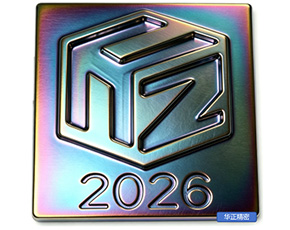
Anodizing is one of the most popular surface treatments for titanium alloys.
How It Works
An electrolytic process creates a controlled oxide film on the titanium surface. By adjusting voltage levels, different oxide thicknesses are formed, producing vibrant colors through light interference.
Advantages
Decorative appearance
Excellent corrosion resistance
Biocompatibility
Environmentally friendly process
Applications
Consumer electronics
Watches and jewelry
Eyeglass frames
Medical implants
Aerospace components
 2. Micro Arc Oxidation (MAO)
Micro Arc Oxidation, also called Plasma Electrolytic Oxidation (PEO), creates a ceramic-like coating directly on titanium surfaces.
How It Works
High-voltage electrical discharges generate localized plasma reactions that transform the surface into a dense ceramic oxide layer.
Advantages
Extremely high hardness
Superior wear resistance
Improved corrosion resistance
Excellent thermal stability
Applications
Aerospace components
Marine engineering
Biomedical implants
High-performance machinery
 3. Chemical Pickling and Passivation
Chemical treatments are fundamental processes used after Machining Titanium parts.
Pickling
Acid solutions remove:
Oxide scales
Heat tint
Machining residues
Surface contaminants
Passivation
Chemical reactions create a stable protective oxide layer that improves corrosion resistance.
Advantages
Deep surface cleaning
Enhanced corrosion protection
Improved coating adhesion
Essential pre-treatment for plating and PVD
 4. Electroplating
Electroplating deposits metallic layers onto titanium surfaces.
Common coatings include:
Nickel
Copper
Silver
Chromium
Benefits
Increased hardness
Improved wear resistance
Better electrical conductivity
Reduced friction and galling
Applications
Electroplated silver coatings are frequently used in aerospace engines to prevent high-temperature adhesive wear.
5. Mechanical Surface Finishing
Sandblasting
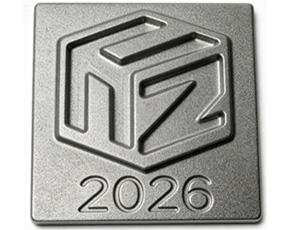
Sandblasting creates controlled surface roughness.
Benefits include:
Better coating adhesion
Matte appearance
Surface cleaning
Polishing
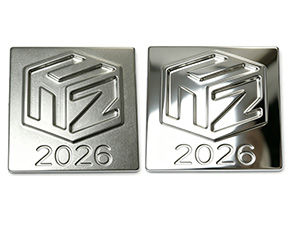
Polishing and grinding improve surface smoothness and aesthetics.
Benefits include:
Reduced friction
Enhanced appearance
Improved fatigue resistance
Applications
Medical implants
Precision aerospace parts
Consumer products
6. PVD Coatings (Physical Vapor Deposition)
PVD coating technology has become one of the most effective methods for improving titanium alloy performance.
What Is PVD?
Under vacuum conditions, coating materials are vaporized and deposited onto the titanium substrate to form a thin, high-performance coating.
Common PVD coatings include:
TiN (Titanium Nitride)
TiAlN
CrN
ZrN
TiAlSiN
Advantages
High hardness
Excellent wear resistance
Low friction coefficient
Strong adhesion
Decorative colors
Environmentally friendly process
Applications
Cutting tools
Aerospace components
Medical implants
Automotive parts
| Surface Treatment Method | Core Functions & Features | Typical Application Scenarios |
|---|---|---|
| Anodizing | Decorative coloring, improved corrosion resistance | 3C products, construction, medical devices |
| Micro-Arc Oxidation (MAO) | Forms ceramic layer, extremely high wear and corrosion resistance | Aerospace, marine equipment |
| Electroplating | Improves electrical conductivity, wear resistance, anti-seizure properties | Electronic connectors, engine blades |
| Mechanical Treatment | Adjusts roughness, cleaning, stress relief | Appearance finishing, implant pre-treatment |
7. Surface Treatments for Anti-Galling Performance
One of the major challenges in titanium alloy machining is surface adhesion and galling.
Several treatments help prevent this problem:
Oxide Film Formation
Creates a lubricating oxide layer that reduces direct metal-to-metal contact.
Graphite Coatings
Graphite emulsions provide:
Excellent lubrication
Oxidation protection
Reduced friction during forming operations
Metal Film Coatings
Copper, nickel, chromium, and tin coatings help minimize adhesion during drawing and forming processes.
Chemical Conversion Coatings
Conversion films act as lubricant carriers, reducing friction and preventing scratching.
8. Laser Surface Treatment
Laser processing modifies the surface microstructure without affecting the bulk material.
Methods include:
Laser cladding
Laser alloying
Laser hardening
Benefits
Increased hardness
Enhanced wear resistance
Improved corrosion resistance
Precise localized treatment
9. Ion Implantation
Ion implantation introduces elements such as:
Nitrogen
Carbon
Oxygen
into the titanium surface at high energy.
Advantages
Increased surface hardness
Improved wear resistance
No dimensional changes
Enhanced fatigue performance
This technology is especially valuable for high-precision aerospace and medical components.
10. Thermal Diffusion Treatment
Thermal diffusion allows alloying elements to penetrate the titanium surface at elevated temperatures.
Benefits
Increased hardness
Better wear resistance
Strong metallurgical bonding
Improved load-bearing capacity
Titanium Surface Finishes and Machining Performance
Surface finishing plays a critical role in maximizing the efficiency of High Speed Machining Titanium operations.
Because titanium generates significant cutting heat and exhibits poor thermal conductivity, manufacturers must carefully control:
Titanium cutting speed
Tool materials
Coolant strategies
Surface finish requirements
Optimized finishing processes can significantly improve component reliability after face milling titanium, turning, drilling, and grinding operations.
Understanding the machinability of titanium alloys and selecting appropriate surface treatments help manufacturers achieve better productivity and longer service life.
Choosing the Right Titanium Alloy Machining Surface Finish
| Surface Treatment | Wear Resistance | Corrosion Resistance | Decorative Effect | Anti-Galling |
|---|---|---|---|---|
| Anodizing | Medium | High | Excellent | Medium |
| MAO | Excellent | Excellent | Good | Good |
| Chemical Passivation | Low | High | Limited | Low |
| Electroplating | High | Medium | Good | Excellent |
| PVD Coating | Excellent | Excellent | Excellent | Excellent |
| Laser Treatment | Excellent | High | Limited | Good |
| Ion Implantation | Excellent | High | None | Excellent |
| Thermal Diffusion | Excellent | Medium | None | Excellent |
The success of any titanium alloy machining process depends not only on cutting parameters but also on selecting the appropriate surface finishing technology. Whether the goal is improved wear resistance, corrosion protection, reduced friction, decorative appearance, or enhanced service life, modern Titanium Alloy Machining Surface Finishes offer highly effective solutions.
From anodizing and micro arc oxidation to advanced PVD coatings, ion implantation, and laser treatment, manufacturers can dramatically enhance the performance of titanium components while overcoming the challenges associated with the machinability of titanium and the machinability of titanium alloys.
By combining optimized machining practices with suitable surface treatments, industries can fully leverage the outstanding properties of titanium alloys in demanding applications.


